Government Proposes Major Expansion of Lok Sabha to 850 Seats
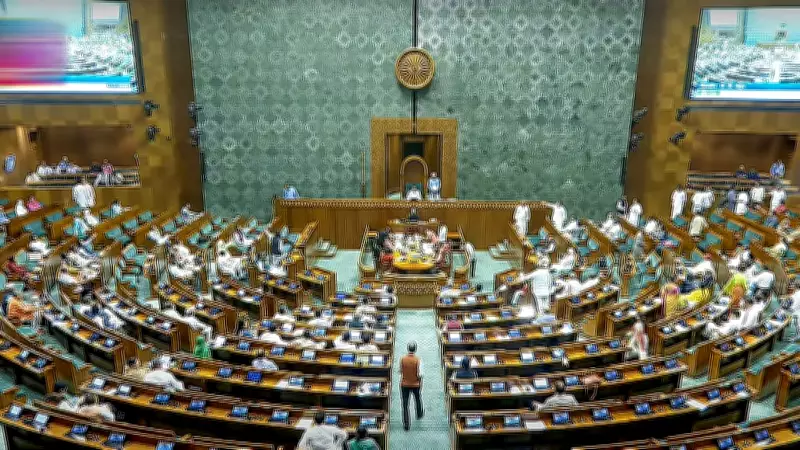
In a significant move aimed at reshaping India's parliamentary landscape, the Union Cabinet has recently cleared a pivotal Bill. This legislation seeks to amend the Constitution to facilitate an early implementation of the long-pending 33 per cent reservation for women in the Lok Sabha. The proposal, which has been shared with Members of Parliament, outlines a substantial increase in the total number of seats in the lower house of Parliament, raising it from the current 543 to 850.
Details of the Proposed Constitutional Amendment
The Bill, cleared by the Cabinet and now under consideration by MPs, represents a dual initiative to enhance both gender representation and the overall capacity of the Lok Sabha. By proposing to expand the seat count to 850, the government aims to accommodate the mandated 33 per cent quota for women without reducing the existing number of seats for other categories. This strategic approach ensures that the reservation does not come at the expense of current parliamentary representation, thereby fostering a more inclusive and equitable legislative body.
Implications for Women's Representation in Politics
The early implementation of the 33 per cent women's quota is a landmark step towards promoting gender equality in Indian politics. Historically, women have been underrepresented in the Lok Sabha, and this amendment seeks to address that disparity by reserving approximately one-third of the seats for female candidates. This move is expected to empower women across the nation, encouraging greater participation in the democratic process and bringing diverse perspectives to the forefront of national decision-making.

Next Steps and Parliamentary Process
With the Bill now shared with MPs, the next phase involves rigorous discussion and debate in Parliament. The amendment requires a two-thirds majority in both houses of Parliament—the Lok Sabha and the Rajya Sabha—as well as ratification by at least half of the state legislatures, given its constitutional nature. This process underscores the gravity of the proposed changes and the need for broad consensus among political stakeholders. The government's push for early implementation indicates a commitment to advancing these reforms swiftly, potentially impacting future elections and the composition of the Lok Sabha.
Broader Context and Historical Significance
This proposal marks a historic moment in India's parliamentary history, as it combines seat expansion with gender quota implementation. The increase to 850 seats would make the Lok Sabha one of the largest parliamentary bodies globally, reflecting India's growing population and democratic aspirations. Moreover, the 33 per cent women's quota aligns with global trends towards greater gender parity in governance, positioning India as a leader in progressive political reforms. As the Bill moves forward, it is poised to spark nationwide dialogue on representation, democracy, and the future of Indian politics.