Gujarat Proposes Elevated Transport Corridors to Safeguard Asiatic Lions
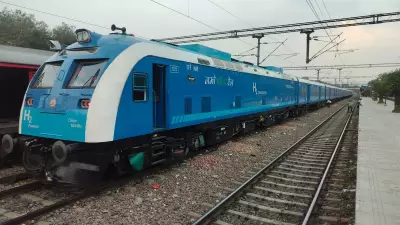
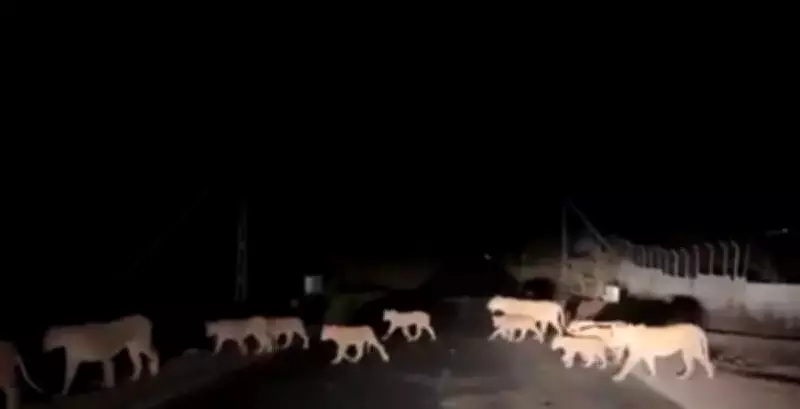
The Gujarat government is taking decisive action to protect its iconic Asiatic lion population from the growing threats posed by expanding rail and road networks. In response to a steady increase in lion fatalities on railway tracks and frequent sightings of these majestic animals on highways, the state forest department is drafting a new Gujarat Forest Policy. This initiative marks a significant shift in how transportation infrastructure is developed through ecologically sensitive regions, particularly around the Gir National Park and surrounding sanctuaries.
Focus on Wildlife-Friendly Infrastructure
The draft policy emphasizes the need for elevated transportation corridors and infrastructure that facilitates safe animal movement beneath viaducts. Currently, lions and other wildlife often traverse open tracks and carriageways, leading to dangerous encounters. A P Singh, the principal chief conservator of forests, highlighted that while a National Forest Policy exists, Gujarat is tailoring its approach based on local conservation needs. The policy aims to impose strict limits on new linear infrastructure in key habitats, ensuring that state highways, national highways, and railway lines do not create additional barriers to wildlife movement.
Modeling on Successful Examples
Officials are drawing inspiration from mitigation measures implemented in other protected areas, such as Assam's Kaziranga National Park, where elevated stretches and design features have reduced animal-vehicle conflicts. The proposal is expected to cover eco-sensitive zones around protected areas, not just core sanctuary limits, to address the dispersal of lion populations beyond Gir into the wider Saurashtra landscape. This expansion increases risks on existing transport corridors that intersect habitats and movement routes.

Alarming Statistics Drive Urgency
Data cited by the forest department underscores the urgency of this policy. In 2023 and 2024 alone, officials recorded two lion deaths in road accidents and five from train collisions. Over the past decade, the Gir region has witnessed approximately 20 lion fatalities linked to such incidents. The concern extends beyond lions; for instance, in the Velavadar region, 15 blackbuck deaths were reported in a single year due to highway traffic, highlighting the broader impact of high-speed transport on wildlife.
Comprehensive Conservation Strategies
To bolster its case, the department references examples from major protected areas like Jim Corbett, Sundarbans, and Kanha, advocating for standard conditions such as elevation, underpasses, controlled access, and speed management in new projects. The goal is to prevent habitat fragmentation and reduce direct mortality from collisions. Additionally, the draft policy will focus on expanding community reserves and conservation reserves in lion-use areas outside protected forests, securing dispersal corridors without declaring new sanctuaries, which is challenging due to human populations and development pressures.
This proactive approach by Gujarat aims to balance infrastructure development with wildlife conservation, ensuring the long-term survival of its Asiatic lions and other fauna in delicate ecosystems.