The Gujarat government has been compelled to revise its compensation policy for farmers affected by power projects, following sustained protests and growing discontent among the farming community. The revised policy, announced on July 6, 2026, addresses long-standing grievances over inadequate compensation for land acquired for power transmission lines and related infrastructure.
Farmers' anger directed at power companies
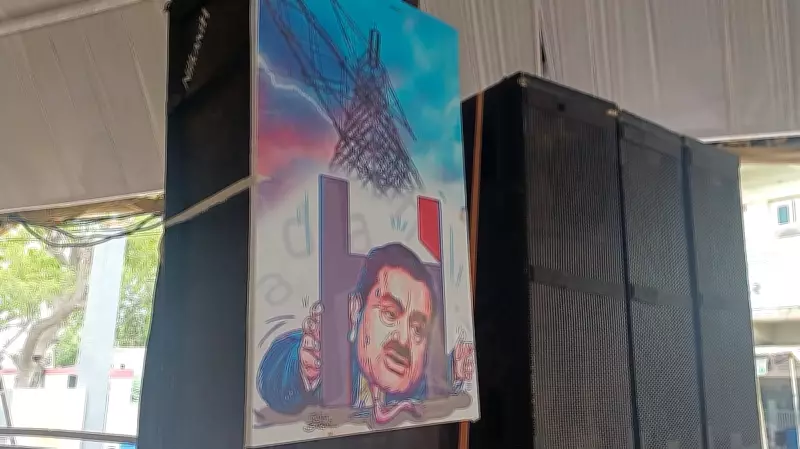
According to sources, the sentiments among farmers are particularly against the power companies that have initiated work despite farmers' disagreement over compensation terms. This includes major firms such as Adani Power, which has been undertaking projects in the region. Farmers have been demanding higher compensation rates and better terms for land acquisition.
The protests, which have been ongoing for several months, saw farmers blocking roads and staging demonstrations outside government offices. The pressure forced the state government to revisit its earlier compensation framework.

Key revisions in the compensation policy
The new policy includes a significant increase in compensation rates for land acquired for power projects. The government has also introduced a mechanism for periodic revision of compensation amounts, linked to the market value of land. Additionally, farmers will now receive compensation for standing crops and trees at rates higher than previously stipulated.
State Revenue Minister Rajesh Patel stated, "The government has listened to the concerns of the farmers and has revised the policy to ensure fair compensation. We believe this will address the grievances and facilitate smoother execution of power projects."
Under the revised policy, farmers will also be entitled to a one-time resettlement grant and employment opportunities in the projects, where feasible. The government has set up a dedicated grievance redressal cell to handle disputes related to compensation.
Impact on power projects
The revised policy is expected to ease the tension between farmers and power companies, allowing projects to proceed without further delays. However, some farmer leaders have expressed cautious optimism, stating that they will monitor the implementation closely.
"This is a step in the right direction, but we need to ensure that the new rates are actually paid and not just announced," said farmer leader Jagdish Solanki. The protests had caused delays in several power projects, including transmission lines for Adani Power's plant in Kutch district.
The Gujarat government's move is seen as a significant concession to the farming community, which has been a key political constituency in the state. The policy revision is also expected to set a precedent for other states facing similar conflicts over land acquisition for energy projects.