Haryana Hospital Staff Burn Effigies Over Forced Sterilisation Orders in 1986
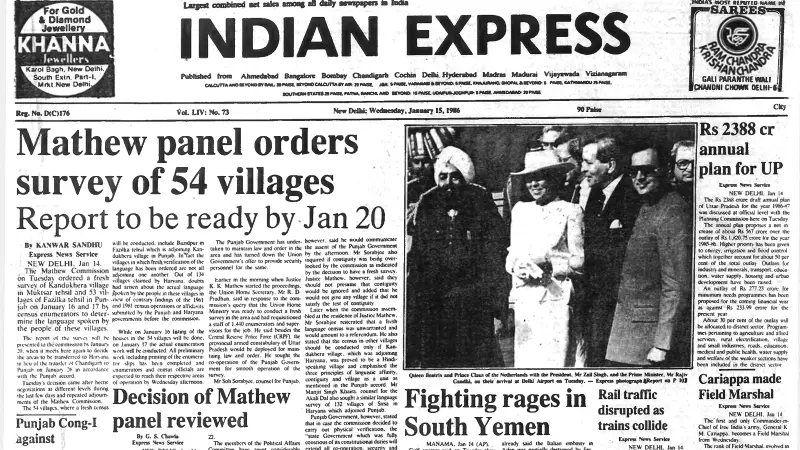
Hundreds of government employees in Haryana's Faridabad district fiercely resisted official orders in January 1986. The orders compelled them to arrange voluntary sterilisation procedures. Workers from Badshah Khan Hospital and the ESI hospital expressed their anger publicly. They burned effigies of the Faridabad district's chief medical officer right outside his office.
Plans for Stronger Agitation
The protest gained momentum after authorities transferred five staff nurses from the ESI hospital. These nurses received deputation to the Palwal civil hospital. Officials moved them because they failed to motivate enough volunteers for sterilisation. The protesting employees announced plans for a more intense agitation against the coercive policy.
Violent Coup Attempt Rocks South Yemen
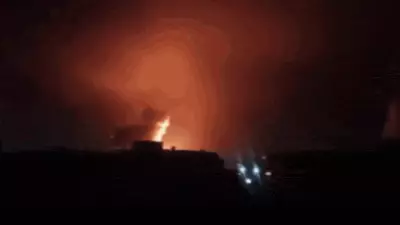
Meanwhile, Gulf sources reported serious developments in South Yemen. President Ali Nasir Mohammed sustained severe injuries during a coup attempt. Sources in contact with the capital confirmed intense fighting in the Aden port area. Rebel groups clashed with elements loyal to the Marxist government, creating a volatile situation.

Historic Honour for General Cariappa
In a momentous national development, General K M Cariappa received India's highest military rank. The government announced he would become a field marshal. This honour coincided with the anniversary of his historic appointment. General Cariappa took over as India's first Indian Commander-in-Chief of the Army on January 15, 1949.
The rank of field marshal originates from British military tradition. Authorities confer it for life on officers of full general rank, whether serving or retired. General Cariappa's elevation marked a significant recognition of his service and leadership.
Internal Tremors Within CPI-M
The Communist Party of India (Marxist) faced internal disciplinary challenges. The party leadership took drastic action against ten functionaries. They suspended prominent members including M V Raghavan, known as a crowd-collector, and P V Kunhikannan, the Left Democratic Front convener.
Charges against them included factionalism, revisionist tendencies, and parliamentary opportunism. This disciplinary move caused noticeable tremors within the party ranks. However, observers predicted the reaction would likely remain limited to silent resentment rather than open rebellion.
These events from January 15, 1986, captured a day of significant protests, international conflict, military honour, and political discipline in India's history.