

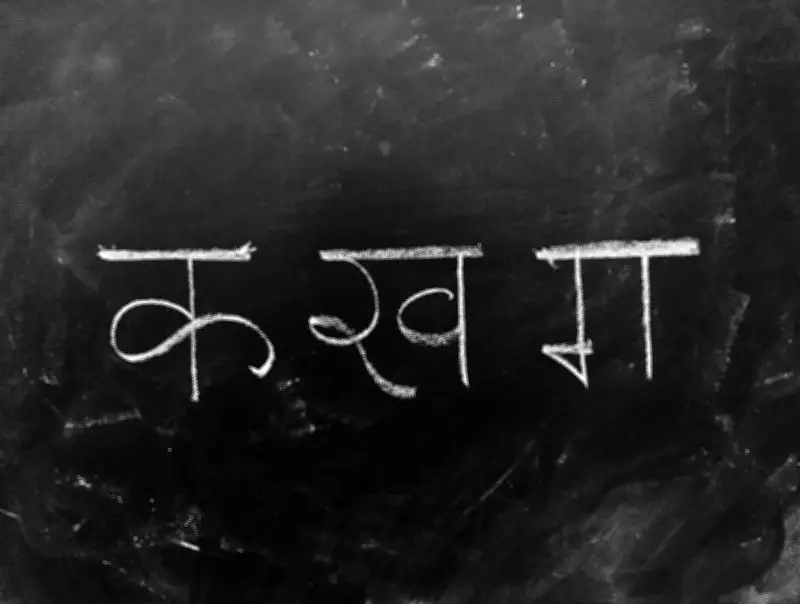
Navigating Hindi Proficiency in the Indian Army
In the Bengal Sappers unit of the Indian Army, achieving proficiency in Hindi is a critical requirement for career advancement, particularly for soldiers aiming to rise from Lance Corporal to Corporal. This language test is far from a mere formality; it serves as a vital stepping stone for professional development and operational effectiveness. A significant portion of the troops hails from Punjab, and while they serve across diverse regions of India, often spending decades in uniform, many retain their distinct Punjabi accent when speaking Hindi.
The Linguistic Blend of Punjabi and Hindi
Over time, these soldiers gradually incorporate Hindi vocabulary into their daily conversations, creating a dynamic and lively mix of Punjabi and Hindi. This unique linguistic fusion almost resembles a creole, crafted through years of service and interaction. For many Punjabi soldiers, speaking Hindi feels akin to speaking Punjabi at a slower pace, with carefully selected Hindi words interspersed throughout their speech.
During casual conversations, it is not uncommon for Hindi words to fade away, allowing pure Punjabi to take over. Despite this, the intended meaning often remains clear, and the charm of their expressive communication compensates for any grammatical or pronunciation imperfections.

A Soldier's Struggle and Triumph in Language Mastery
One notable example is Angrez Singh (a pseudonym), a driver who faced repeated challenges in passing his Hindi proficiency test. After multiple attempts, his superiors directed an assessment of his progress, requiring a detailed report. To provide a fair evaluation, a simple verbal test was devised, consisting of only four sentences.
When called for the test, Angrez appeared confused and inquired about the topic for his sentences. At that moment, a crow was observed perched on a cow's back, pecking at ticks. He was instructed to describe this scene in four Hindi sentences.
Angrez began confidently with, "Aaoo gaa haigi" (That is a cow), which contained no Hindi words, earning him no marks. Encouraged to continue, he said, "Naal mein ekk kaa haiga" (There's a crow alongside), incorporating one Hindi word, mein, for one mark. His third sentence, "Kaa gaa ke uttey khalota haiga" (The crow is standing atop the cow), included another Hindi word, ke, adding a second mark.
When prompted to find an alternative Hindi word for uttey, he paused before declaring triumphantly, "Gaa kaa ke upar ni khaloti haigi" (The cow is not standing atop the crow). This sentence featured two Hindi words, ke and upar, and although ni was in colloquial Punjabi, a grace mark was awarded, bringing his total to three marks.
Celebrating Progress and Linguistic Diversity
This improvement was celebrated immediately, with a report made to the Adjutant. While Angrez may not have achieved full mastery of Hindi, his colorful blend of Punjabi and Hindi never failed to bring joy and laughter to those around him. His story reflects a broader reality within the Army, where many soldiers like Angrez Singh continue to navigate linguistic challenges with resilience and creativity.
The legacy of these soldiers endures, showcasing how language serves as both a barrier and a bridge in military life, fostering camaraderie and professional growth across diverse linguistic backgrounds.






