Debate Intensifies Over Hindu Entry into Madrasas: Perspectives from H.S. Rawat
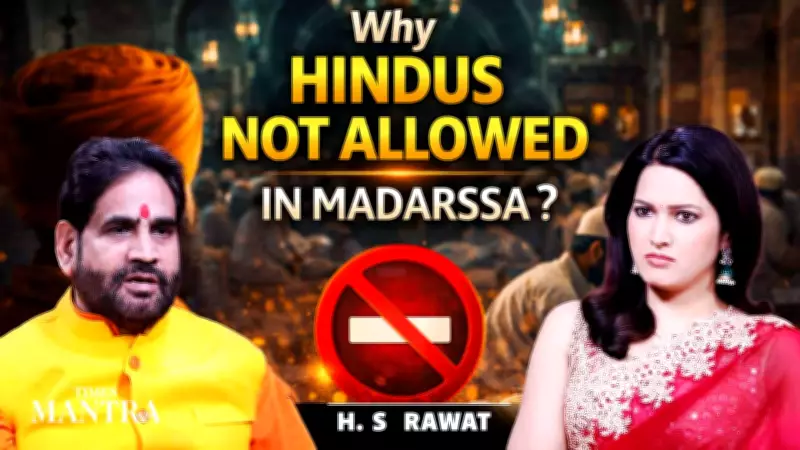
In a recent discussion that has sparked widespread attention, the question of why Hindus are not allowed in madrasas has taken center stage, with H.S. Rawat offering insights into this sensitive and complex issue. The debate delves into the intricacies of religious education, long-standing traditions, and common misunderstandings that often cloud such topics in India's diverse societal landscape.
Exploring the Reasons Behind the Practice
The conversation, which aims to foster understanding rather than division, examines the various viewpoints surrounding the exclusion of Hindus from madrasas. H.S. Rawat shares perspectives that highlight the historical and cultural contexts of these Islamic educational institutions, which are primarily designed for Muslim students to study religious texts, Arabic, and Islamic jurisprudence. The discussion raises important questions about the role of such institutions in promoting religious identity and community cohesion.
It also addresses the potential for misconceptions, as some may view this practice as exclusionary without considering the religious and educational objectives of madrasas. The dialogue emphasizes the need for awareness and informed discourse to bridge gaps between communities.

Key Themes in the Discussion
- Religious Education and Traditions: The focus on how madrasas serve as centers for Islamic learning, preserving religious heritage and teachings specific to the Muslim faith.
- Inclusivity and Dialogue: The debate touches on whether there is room for greater inclusivity in religious education settings and how open conversations can promote harmony.
- Community Misunderstandings: Addressing common myths and stereotypes that may lead to tensions, with a call for empathy and cross-cultural understanding.
- Spiritual and Social Dimensions: Exploring how such practices fit into broader discussions on spirituality, identity, and social dynamics in India.
This topic is particularly relevant in today's context, where issues of religious freedom and interfaith relations are increasingly under scrutiny. The discussion led by H.S. Rawat encourages viewers to engage with these themes thoughtfully, aiming to shed light on the nuances rather than fueling division.
By watching the full discussion, audiences can gain a deeper appreciation of the perspectives involved, contributing to a more informed and respectful public discourse on matters of religion and education in India.