The Hindu Mahasabha has made a strong demand to ban the annual urs celebration of a Sufi saint at the Taj Mahal. This religious event, which honors the saint's death anniversary, has become a point of contention.
President Meera Rathore's Stance
Meera Rathore, the president of Hindu Mahasabha, firmly states that no religious activities should take place inside the Taj Mahal. She argues that the monument is a protected heritage site under the Archaeological Survey of India. According to her, allowing any religious event there violates established rules.
Historical and Legal Context
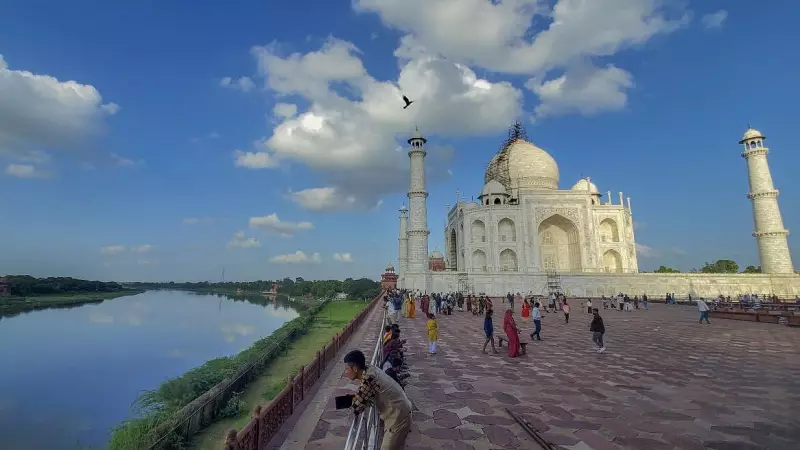
The Taj Mahal, located in Agra, Uttar Pradesh, is a UNESCO World Heritage Site. It attracts millions of visitors each year. The Archaeological Survey of India manages the site with strict guidelines. These guidelines aim to preserve its historical integrity.

Rathore emphasizes that the monument should remain secular. She believes religious ceremonies could set a problematic precedent. Her demand comes ahead of the planned urs event, which Sufi followers traditionally observe.
Local Reactions and Implications
Local communities in Agra have mixed reactions. Some support the ban to maintain the site's neutrality. Others view the urs as a cultural tradition that should continue. The issue highlights ongoing tensions between heritage preservation and religious practices.
The Uttar Pradesh government and Archaeological Survey of India now face a decision. They must balance legal mandates with cultural sensitivities. This situation could influence how other historical sites in India are managed.
As of January 2026, no official response has been issued. The debate continues to unfold, drawing attention from across the country.