From G V Mavalankar to Om Birla: A Chronicle of Lok Sabha Speaker Removal Motions
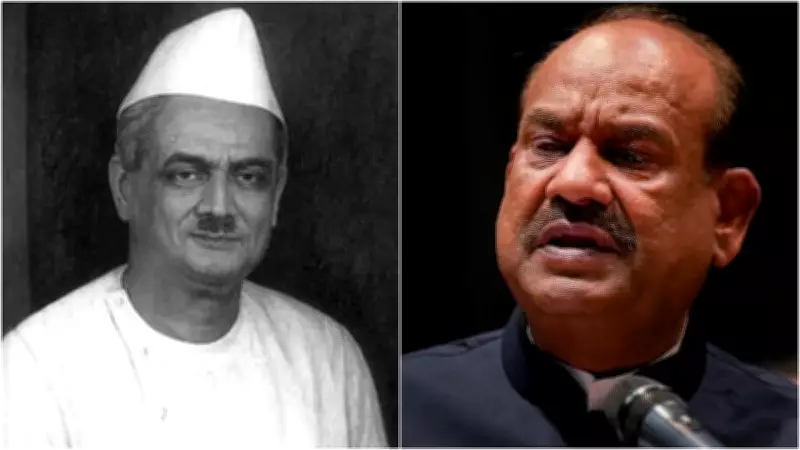
The Lok Sabha, India's Lower House of Parliament, has witnessed several significant political confrontations over the decades, including attempts to remove its presiding officer, the Speaker. This historical analysis traces the evolution of such removal motions, highlighting key instances from the tenure of G V Mavalankar to the present day under Om Birla.
Early Challenges and the Legacy of G V Mavalankar
G V Mavalankar, the first Speaker of the Lok Sabha, served from 1952 to 1956 and set foundational precedents for the role. While his tenure was largely respected, it marked the beginning of a tradition where the Speaker's position could become a focal point for political dissent. The early years of Indian democracy saw the establishment of parliamentary norms, but they also hinted at the potential for future conflicts over the Speaker's impartiality and authority.
The 1966 Motion Against Hukam Singh
In 1966, Hukam Singh faced a notable attempt by MPs to unseat him as Speaker. This motion was driven by opposition parties who expressed dissatisfaction with his rulings and perceived biases. Despite the political uproar, the motion was ultimately unsuccessful, underscoring the resilience of the Speaker's office and the challenges in mustering sufficient support for such a drastic measure. This event highlighted the growing tensions within the Lok Sabha as India navigated complex political landscapes post-independence.

Balram Jakhar's Confrontation in 1987
Another significant chapter unfolded in 1987 when Balram Jakhar, then Speaker, encountered a removal motion initiated by the Opposition. The motion was rooted in allegations of partiality and procedural disputes, reflecting broader political rivalries of the era. Like previous attempts, this motion failed to gain the necessary traction, demonstrating the high threshold required to oust a Speaker and the strategic calculations involved in parliamentary politics.
Contemporary Context and Om Birla's Tenure
In recent times, Om Birla has continued this legacy, facing scrutiny and occasional calls for removal amid heated parliamentary sessions. His tenure has been marked by debates over decorum, legislative efficiency, and the Speaker's role in managing dissent. While no formal motion has succeeded, these episodes illustrate the ongoing dynamic where the Speaker's decisions can spark political friction, echoing historical patterns from Mavalankar's era to the present.
Analysis of Unsuccessful Removal Attempts
The history of removal motions against Lok Sabha Speakers reveals several key insights:
- High Political Stakes: Such motions often reflect deep-seated political disagreements and are used as tools by opposition parties to challenge the ruling establishment.
- Procedural Hurdles: The constitutional and parliamentary rules make it difficult to successfully remove a Speaker, requiring substantial majority support.
- Impact on Parliamentary Functioning: These attempts can disrupt legislative business, but they also test the robustness of India's democratic institutions.
- Evolution of Norms: Over time, the role of the Speaker has evolved, with increasing emphasis on neutrality, though political pressures persist.
In summary, from G V Mavalankar to Om Birla, the Lok Sabha has seen a series of unsuccessful removal motions against its Speakers, including those targeting Hukam Singh in 1966 and Balram Jakhar in 1987. These historical episodes underscore the enduring challenges in balancing parliamentary authority with political accountability, shaping India's democratic journey. As the Lok Sabha continues to evolve, the Speaker's office remains a critical, albeit contested, pillar of India's legislative framework.