Hosakerehalli Lake Suffers from Severe Pollution and Weed Infestation
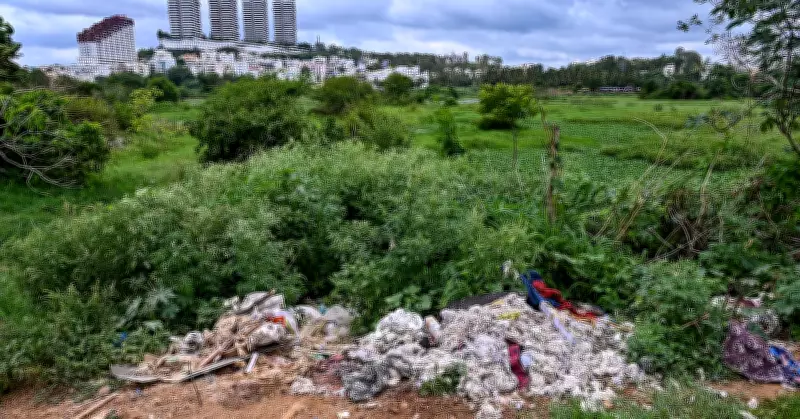
Hosakerehalli Lake in Bengaluru is choking under a thick layer of garbage and invasive weeds, a result of prolonged neglect. The lake, once a vital water body, now poses a threat to local biodiversity and water quality. Despite previous restoration attempts, the situation has worsened, with residents reporting a foul smell and reduced water storage capacity.
Residents Alarmed by Deteriorating Condition
Local residents have expressed concern over the lake's condition. According to Ravi Kumar, a resident of the area, "The lake is filled with plastic waste and hyacinth. The stench is unbearable, especially during summer. We have complained to the authorities multiple times, but no action has been taken." The lake's water, which was once used for irrigation, is now unfit for any purpose.
Impact on Biodiversity and Environment
The accumulation of garbage and the spread of water hyacinth have severely impacted the lake's ecosystem. Fish kills have been reported, and the growth of weeds has reduced oxygen levels in the water. This has led to the death of aquatic life and created a breeding ground for mosquitoes. Environmental activists warn that if not addressed urgently, the lake could become a dead zone.

Previous Restoration Efforts Failed
In 2019, the Bruhat Bengaluru Mahanagara Palike (BBMP) undertook a restoration project costing approximately ₹3 crore. The project aimed to desilt the lake, remove weeds, and create a walking path. However, maintenance was not sustained, and the lake quickly reverted to its polluted state. A BBMP official, speaking on condition of anonymity, admitted that "regular maintenance is lacking due to lack of funds and manpower."
Call for Immediate Action
Residents and environmental groups are demanding immediate intervention. They urge the BBMP to initiate a comprehensive cleanup and establish a long-term maintenance plan. The lake, which is part of a network of water bodies in Bengaluru, plays a crucial role in groundwater recharge and flood control. Neglecting it could exacerbate water scarcity and urban flooding in the area.