

Hyderabad Duo Steps Up to Guide Citizens Through Electoral Roll Revision
In Hyderabad, as the Election Commission of India prepares to launch a Special Intensive Revision (SIR) of electoral rolls in the state, two dedicated individuals have taken it upon themselves to ensure citizens can participate with clarity and ease. Mohd Osman, a practicing advocate at the Telangana High Court, and Syed Ghouse, a multinational company employee, both in their 50s and residents of Malkajgiri, have been organizing awareness and assistance camps across the twin cities.
Spreading Awareness and Providing Hands-On Help
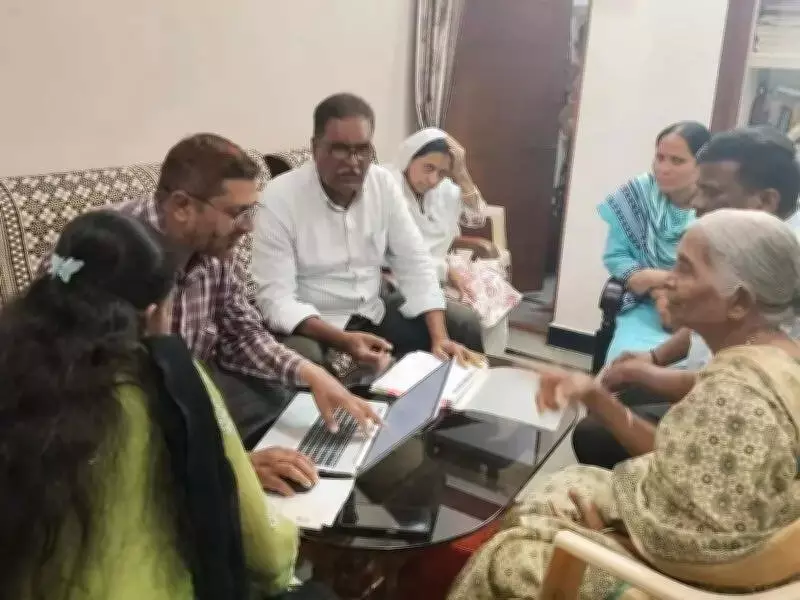
So far, Osman and Ghouse have conducted 26 camps at various housing societies and mosques, covering 10 assembly constituencies up to April 4. They plan to continue these efforts as the SIR process is expected to commence in May. Equipped with printouts of voter lists from polling stations in the Secunderabad assembly constituency and soft copies on their laptops, the duo patiently guides residents in locating their own entries and those of family members in the 2002 voter list, which serves as the benchmark document for the revision.
At a housing society in Mirjalguda, 65-year-old Srinivas Rao approached the helpdesk with a faded voter ID card issued in 2005, where details like the EPIC number, house number, and serial number were barely legible. Using just the polling station number, Osman quickly traced the family's details, finding entries for both Srinivas and his son, who works in Bengaluru.

Addressing Confusion and Dispelling Myths
During a camp at the Jama Masjid in Chilkalguda, many residents expressed confusion and fear that missing names in the 2002 voter list could jeopardize their voting rights. Osman, who also practices at the Central Administrative Tribunal (CAT), was quick to clarify. "SIR is a regular electoral exercise conducted under the provisions of the Representation of the People Act," he explained. "Our camps aim to help residents find their details in the electoral rolls so they can easily assist booth level officers (BLOs) during the SIR process. Missing names in the 2002 list does not mean loss of rights; with valid documents, the revision will be smooth."
Ghouse, assisting elderly residents, noted that recalling old house numbers and polling booth details from 2002 has been a major challenge due to relocations and ward reorganizations. "We help them trace old entries step by step," he said.
Expanding Outreach and Training Volunteers
The camps have seen steady footfall, with many residents feeling relieved after understanding the SIR requirements. While distributing self-explanatory charts outlining the step-by-step process and necessary documents, Ghouse observed that while younger people often manage on their own, those above 50 struggle, especially if families have moved within or between constituencies.
Osman and Ghouse have also educated the Chilkalguda Jama Masjid committee, leading to the mosque setting up a helpdesk with volunteers. In a recent initiative, they conducted an exclusive women's camp in Housing Board Colony, Moula Ali, in collaboration with a local NGO, which saw a good turnout. Osman promised more such camps and mentioned training 10-15 volunteers at each session to assist in their localities when BLOs begin house-to-house visits in May.






