

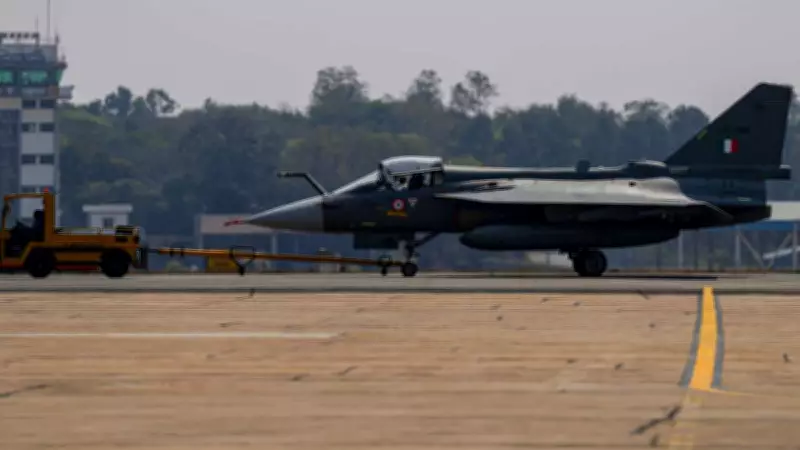
IAF's Tejas Fleet Returns to Skies After Technical Resolution
The Indian Air Force's (IAF) fleet of Tejas light combat aircraft (LCA) has been officially cleared to resume flight operations, following a comprehensive two-month grounding period. This decision comes after Hindustan Aeronautics Limited (HAL), the state-owned aerospace manufacturer, successfully identified and resolved a series of technical glitches that had prompted the temporary halt.
Grounding and Investigation Details
In early February 2026, the IAF made the precautionary move to ground its Tejas jets due to emerging technical concerns that were flagged during routine maintenance and operational assessments. The grounding affected multiple squadrons equipped with the indigenous fighter, which is a cornerstone of India's defense modernization efforts.
HAL engineers and technical teams embarked on an intensive investigation to pinpoint the root causes of the issues. According to sources, the glitches were primarily related to avionics systems and minor software anomalies, rather than any structural or engine-related faults. The company worked in close coordination with IAF personnel to ensure a thorough analysis and swift remediation.

Resolution and Safety Enhancements
Over the past two months, HAL implemented targeted fixes and upgrades to address the identified problems. These included software patches, hardware adjustments, and enhanced testing protocols to prevent recurrence. The resolution process involved rigorous ground tests and simulated flights to validate the corrections before clearance was granted.
The IAF has confirmed that all necessary certifications have been completed, and the aircraft are now deemed fully operational with improved reliability. This development is critical for maintaining the air force's combat readiness, especially as the Tejas plays a key role in India's air defense strategy.
Impact on Defense Capabilities
The Tejas, developed indigenously under the Light Combat Aircraft program, is designed to replace aging MiG-21 fleets and bolster the IAF's fighter strength. Its return to service is timely, given ongoing regional security dynamics and the need for a robust aerial presence.
Experts note that such technical hiccups are not uncommon in advanced military aircraft, and the proactive grounding reflects a commitment to safety over operational expediency. The incident underscores the importance of continuous monitoring and maintenance in modern aviation, particularly for platforms like the Tejas that are integral to national security.
Looking ahead, HAL and the IAF plan to incorporate lessons learned from this episode into future production and maintenance cycles, potentially leading to more resilient variants of the Tejas. This collaborative effort highlights the growing synergy between India's defense establishment and its domestic aerospace industry.






