

Parliament Leaders Dismiss Impeachment Motion Against Chief Election Commissioner
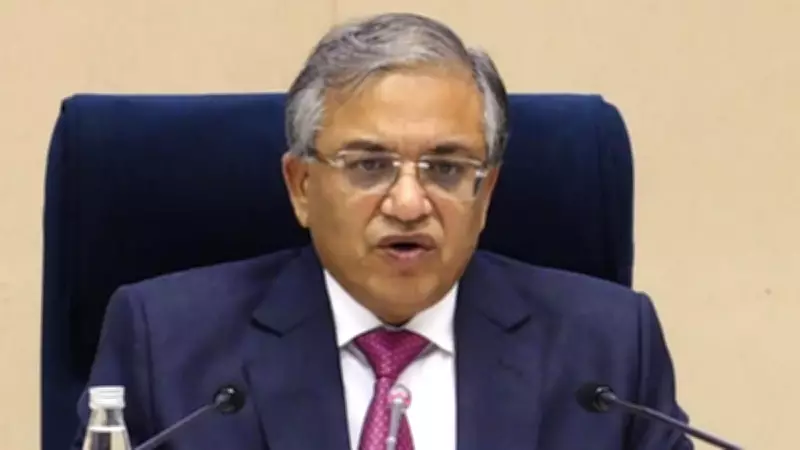
In a significant development, the impeachment motion aimed at removing Chief Election Commissioner Gyanesh Kumar has been formally rejected by the presiding officers of both houses of Parliament. Rajya Sabha Chairman C P Radhakrishnan and Lok Sabha Speaker Om Birla have dismissed the notices submitted by Opposition members, effectively halting the proceedings to oust the top election official.
Congress MP Raises Concerns Over Delayed Response
Senior Congress MP Abhishek Singhvi had brought the issue to the forefront in the Rajya Sabha, highlighting the lack of clarity regarding the status of the Opposition's notice. Singhvi pointed out that despite the passage of 19 days since the motion was filed, there has been no official information or update on its processing. This delay has sparked debates and raised questions about the procedural timelines and transparency in handling such critical parliamentary matters.
The impeachment motion was initiated amid ongoing political tensions, with the Opposition alleging concerns over the functioning and decisions of the Election Commission under Gyanesh Kumar's leadership. However, the rejection by the parliamentary leaders underscores the challenges in pursuing such motions and the high threshold required for their advancement.

Background and Implications
Gyanesh Kumar, who serves as the Chief Election Commissioner, plays a pivotal role in overseeing India's electoral processes, including the conduct of free and fair elections. The move to impeach him reflects the deep-seated political divisions and the intense scrutiny faced by key constitutional positions. The rejection of the notices is likely to have broader implications for parliamentary dynamics and the relationship between the ruling party and the Opposition.
As of April 6, 2026, the situation remains unresolved, with the Opposition potentially considering further steps or alternative strategies to address their grievances. The incident highlights the ongoing struggles within India's democratic institutions and the complexities of holding high-ranking officials accountable through parliamentary means.
This development comes at a time when the Election Commission is gearing up for upcoming electoral cycles, making the stability and integrity of its leadership a matter of national importance. The rejection of the impeachment motion may reinforce the current administrative setup, but it also sets a precedent for future interactions between political factions and constitutional bodies.






