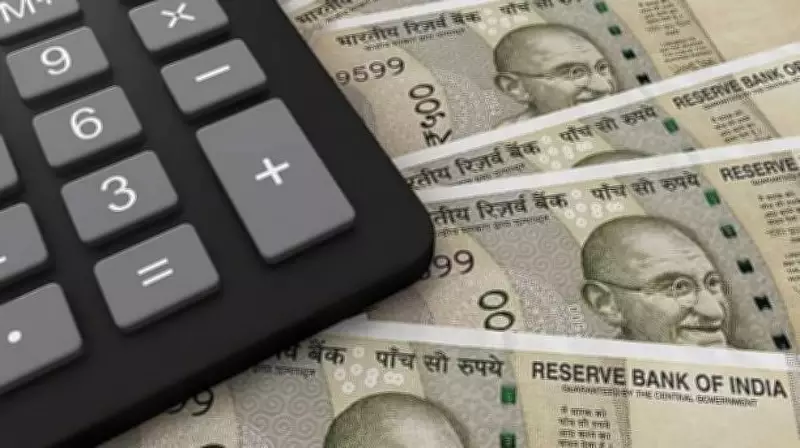
A recent report by the Association for Democratic Reforms (ADR) has revealed a significant decline in the income of 36 regional political parties in India. The total income of these parties stood at Rs 1,192 crore in the financial year 2024-25, marking a sharp 52% drop from Rs 2,463 crore in the previous fiscal year.
Key Findings of the ADR Report
The analysis, based on the parties' submissions to the Election Commission, highlights that 21 out of the 36 regional parties spent more than they earned during the period. This trend indicates financial stress among many regional political outfits.
Income Breakdown
The report notes that the income from voluntary contributions, which is a major source of funding for many parties, saw a substantial decrease. Additionally, income from other sources such as sale of assets, investments, and party levies also declined.

Expenditure Patterns
On the expenditure side, the parties collectively spent Rs 1,450 crore, exceeding their total income by Rs 258 crore. This overspending has raised concerns about the financial health of these parties and their reliance on borrowing or other means to cover deficits.
Implications for Political Funding
The ADR report underscores the need for greater transparency and accountability in political funding. Experts suggest that the decline in income could be linked to reduced donations from individuals and corporate entities, possibly due to economic slowdown or changes in donor behavior.
The findings come at a time when the Election Commission has been pushing for stricter compliance with financial reporting norms. The report also highlights the importance of the electoral bond scheme, which has been a subject of debate regarding its impact on political funding transparency.
Overall, the ADR analysis serves as a crucial reminder of the financial challenges faced by regional parties and the need for reforms to ensure sustainable and transparent political financing in India.