

INDIA Bloc MPs Pledge to Oppose and Defeat Delimitation Legislation in Parliament
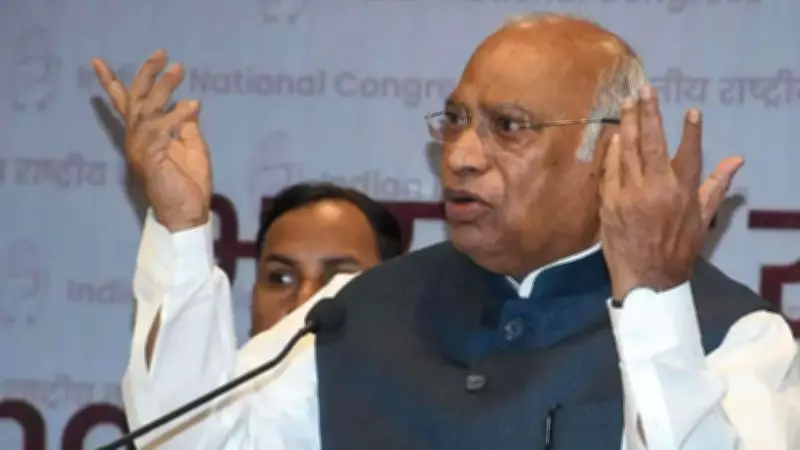
Leader of Opposition in Rajya Sabha and Congress President, Mallikarjun Kharge, declared on Friday that MPs from the INDIA alliance are firmly opposing the Constitution (131st Amendment) Bill and the Delimitation Bill currently under discussion in the Lok Sabha. Kharge asserted that the bloc will "defeat" these proposed legislations through parliamentary proceedings.
"Our people are fighting and will defeat it in the Lok Sabha," Mallikarjun Kharge stated emphatically, highlighting the determined stance of opposition parties against these bills.
Contentious Bills Spark Heated Parliamentary Debate
The Lok Sabha is currently engaged in extensive discussions on multiple significant bills:

- The Constitution (One Hundred and Thirty-First Amendment) Bill, 2026
- The Union Territories Laws (Amendment) Bill, 2026, which extends provisions to Delhi and Jammu and Kashmir
- The Delimitation Bill, which aims to substantially increase and redraw Lok Sabha constituencies, potentially expanding them to 850 seats
Opposition parties have raised serious concerns that if the delimitation process relies on the 2011 census data, it could significantly reduce political representation for southern states in the Lok Sabha, altering the balance of parliamentary power.
Opposition Leaders Voice Strong Objections
Congress MP K Suresh delivered particularly strong criticism, labeling the Delimitation Bill as "dangerous" legislation that could fundamentally undermine opposition parties across the nation.
"We are not opposing the women's reservation bill. We are opposing the delimitation bill. That will be a dangerous bill and will totally demolish the opposition parties in the country," Suresh explained, drawing a clear distinction between different legislative measures.
CPI MP P Sandosh raised pointed questions about the government's decision to combine multiple significant issues into related legislation, demanding answers directly from Prime Minister Narendra Modi.
"The Women's Reservation Bill is an act which was unanimously passed by the Parliament of India, all of us cooperated with the government. Unfortunately, the government is trying to misuse the Women's Reservation Bill to hamper the federal structure of the nation," Sandosh told ANI.
"Why did you club delimitation, census, and all those things together? This is the question. And the Prime Minister should answer this question," the CPI MP added, questioning the legislative strategy behind combining these elements.
Government Allies Question Opposition's Stance
JD(U) MP Sanjay Kumar Jha challenged the INDIA bloc's protest against the bills, noting that all political parties had previously united to pass the Nari Shakti Vandan Adhiniyam in 2023 without controversy.
"PM Modi has clearly stated in his speech that no changes have been made in the delimitation. You passed it in 2023, so what is there to protest about? How is this a threat to democracy? They don't trust the women of this country," the JD(U) MP argued, suggesting inconsistency in the opposition's position.
Congress Issues Whip for Parliamentary Attendance
The Congress party has taken organizational measures to ensure its parliamentary strength, issuing a three-line whip directing all its Lok Sabha MPs to be present in the House during the special sitting scheduled from April 16 to 18. This directive requires members to support the party's official stance on these critical legislative matters.
Constitutional Amendment Requires Substantial Majority
To successfully pass the Constitution (131st Amendment) Bill, the central government will need to secure a two-thirds majority in the Lok Sabha, amounting to at least 362 seats. This substantial threshold adds significant political weight to the ongoing parliamentary deliberations and opposition strategies.
The parliamentary confrontation over these bills represents a crucial test of political alliances and legislative strategy as different parties position themselves on issues affecting India's democratic structure and representation balance.






