

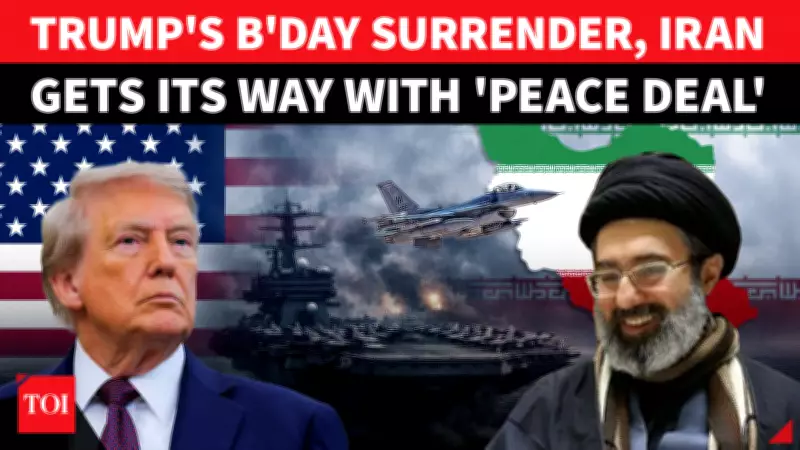
US and Iran Reach Historic Peace Deal Amid Middle East Tensions
A dramatic diplomatic breakthrough has sent shockwaves across the Middle East after reports emerged that the United States and Iran have agreed to a peace deal following weeks of tensions and military escalation. Pakistan's Prime Minister Shehbaz Sharif announced that a formal agreement has been reached, while Donald Trump declared the Strait of Hormuz would reopen and hailed the deal as a barrier against Iran obtaining nuclear weapons.
However, critics argue Tehran emerged with major concessions, while Iran's leadership insists it never bowed to outside pressure. With a signing ceremony reportedly planned in Switzerland, the world is now watching to see whether this historic agreement truly delivers lasting peace.
Key Details of the Agreement
According to sources, the deal includes provisions for the reopening of the Strait of Hormuz, a critical chokepoint for global oil shipments. Trump stated that the agreement represents the 'biggest defeat' for those who sought conflict, emphasizing that it prevents Iran from acquiring nuclear weapons. The announcement comes after weeks of heightened military posturing, including Iranian drone attacks on US radar installations and a near-miss involving a US pilot in the Hormuz region.

Shehbaz Sharif, who played a mediating role, confirmed the breakthrough in a press conference. The signing ceremony is expected to take place in Switzerland, with both sides pledging to uphold the terms.
Reactions and Criticism
While Trump praised the deal as a victory for peace, critics argue that Iran secured significant concessions without yielding to pressure. Iranian leaders maintain that they never capitulated to foreign demands. Meanwhile, Israel has expressed anxiety over the deal, with protests erupting in Tel Aviv against Prime Minister Netanyahu, whom some accuse of failing to achieve war goals. The European Union also faces internal turmoil, with France experiencing 'Frexit' demands amid broader anti-EU sentiment.
Globally, the deal has been met with mixed reactions. Canada's Prime Minister Carney reportedly questioned Trump's reliability during G7 summit discussions. The agreement also comes amid ongoing conflicts in Ukraine and Gaza, where Russia and Hezbollah continue to challenge US and Israeli interests.
What Lies Ahead?
The success of the peace deal hinges on implementation. The Strait of Hormuz reopening could stabilize oil markets, but skeptics warn of potential violations. As the world watches, the agreement marks a pivotal moment in US-Iran relations, with implications for regional security and global diplomacy.






