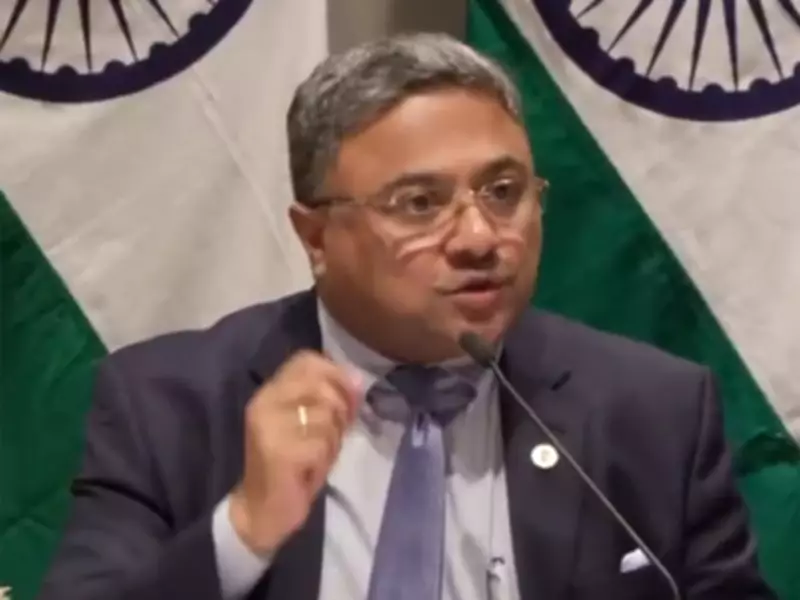
India has strongly defended its democratic credentials following a tense exchange with a Norwegian journalist over the country's human rights record. The incident occurred during a press interaction where the journalist posed a pointed question regarding alleged human rights violations in India. In response, an Indian spokesperson emphasized that India is a proud democracy, committed to upholding the rights of its citizens.
Background of the Exchange
The face-off took place when the Norwegian journalist raised concerns about specific human rights issues, prompting a robust rebuttal from the Indian side. The spokesperson reiterated that India functions under a robust constitutional framework that guarantees fundamental rights to all individuals. The exchange highlighted the differing perspectives between India and some Western nations on human rights matters.
India's Stance on Human Rights
India has consistently maintained that it is a vibrant democracy where all rights are protected under the law. The government has often pointed to its independent judiciary, free press, and active civil society as evidence of its democratic health. However, critics, including international human rights organizations, have raised concerns about issues such as freedom of speech, minority rights, and the treatment of activists.

Reactions and Implications
The exchange has sparked debate both within India and internationally. Supporters of the government argue that India's democratic institutions are strong and that external criticisms are often based on incomplete information. On the other hand, opposition leaders and human rights advocates have called for greater transparency and accountability. The incident also underscores the ongoing tension between India's self-perception as a democratic leader and external scrutiny of its human rights practices.
Broader Context
This face-off is part of a larger pattern of India pushing back against what it sees as interference in its internal affairs. The government has been vocal in rejecting foreign criticism, particularly on issues related to national security and sovereignty. At the same time, India continues to engage with international bodies on human rights, submitting periodic reports to the United Nations Human Rights Council.
In conclusion, India's response to the Norwegian journalist reflects its commitment to defending its democratic image. While the exchange may not resolve the underlying disagreements, it highlights the complex dynamics of global human rights discourse and India's role within it.