India, the world's largest democracy, has once again completed a monumental electoral process. However, as the dust settles, a pressing question emerges: can the electorate still trust the referee? The Election Commission of India (ECI), tasked with conducting free and fair elections, faces increasing scrutiny and allegations of bias from various political quarters.
The Trust Deficit
In recent years, the ECI has been accused of favoring the ruling party. Critics point to instances such as the handling of model code of conduct violations, the timing of election announcements, and the deployment of security forces. Opposition parties have repeatedly questioned the commission's neutrality, alleging that it has become a rubber stamp for the government's agenda.
Challenges to Credibility
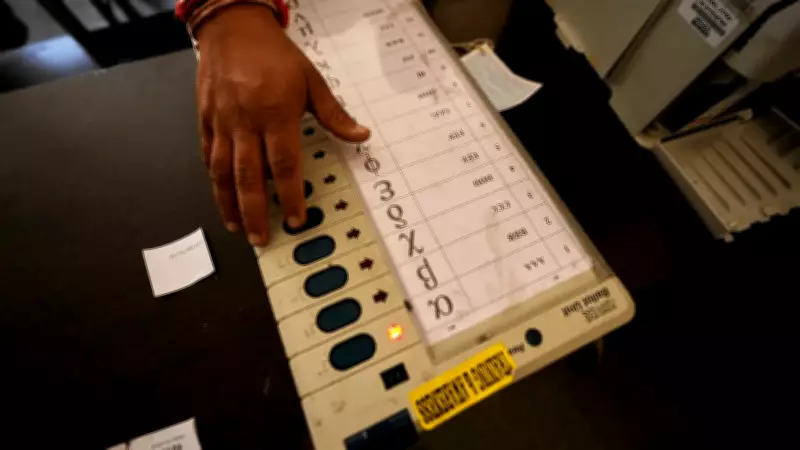
Several factors contribute to the growing trust deficit. First, the ECI's composition—comprising commissioners appointed by the government—raises concerns about independence. Second, the lack of transparency in certain decisions, such as the use of electronic voting machines (EVMs) and voter verifiable paper audit trails (VVPATs), fuels conspiracy theories. Third, the commission's response to complaints often appears slow or inadequate, eroding confidence.

Moreover, the advent of social media has amplified misinformation and polarized narratives. The ECI's efforts to counter fake news and ensure a level playing field have been met with mixed results. The commission's reliance on technology, while efficient, also opens doors to potential hacking or manipulation, though no major breaches have been proven.
Historical Context
The ECI has a storied history of conducting elections in a challenging environment. From the first general election in 1951-52 to the recent 2024 polls, it has overseen hundreds of millions of voters. However, the political landscape has changed dramatically. The rise of a dominant party, increased polarization, and a 24/7 news cycle have put the commission under unprecedented pressure.
Reforms Needed
To restore faith, experts suggest several reforms. These include a collegium-based appointment system for election commissioners, fixed tenures, and greater financial autonomy. Additionally, the ECI could enhance transparency by live-streaming proceedings of key decisions and publishing detailed reports on complaints. Strengthening the legal framework to penalize those who spread electoral misinformation is also critical.
Opposition parties demand a more proactive role for the ECI in regulating political advertisements and ensuring equitable media coverage. The commission's power to deregister parties that violate rules should be exercised more frequently to deter misconduct.
Public Perception
Despite the criticisms, many voters still trust the ECI. A 2023 survey by the Association for Democratic Reforms found that 70% of respondents had faith in the electoral process. However, this confidence varies across regions and demographics. Urban, educated voters tend to be more skeptical, while rural voters often rely on traditional sources of information.
The ECI's outreach programs, such as voter education campaigns and the use of local languages, have helped bridge the gap. Yet, the commission must do more to engage with young voters and counter online misinformation.
Way Forward
The ECI stands at a crossroads. To maintain its reputation as a neutral arbiter, it must adapt to new challenges without compromising its core principles. This requires not only internal reforms but also a collective effort from political parties, civil society, and the media. As India continues to evolve democratically, the referee's whistle must remain impartial.
In conclusion, while India has voted, the trust in the election machinery is not a given. It must be earned through transparency, accountability, and unwavering commitment to democratic values. The ECI has the opportunity to set a global example, but only if it listens to the concerns of all stakeholders and acts decisively.