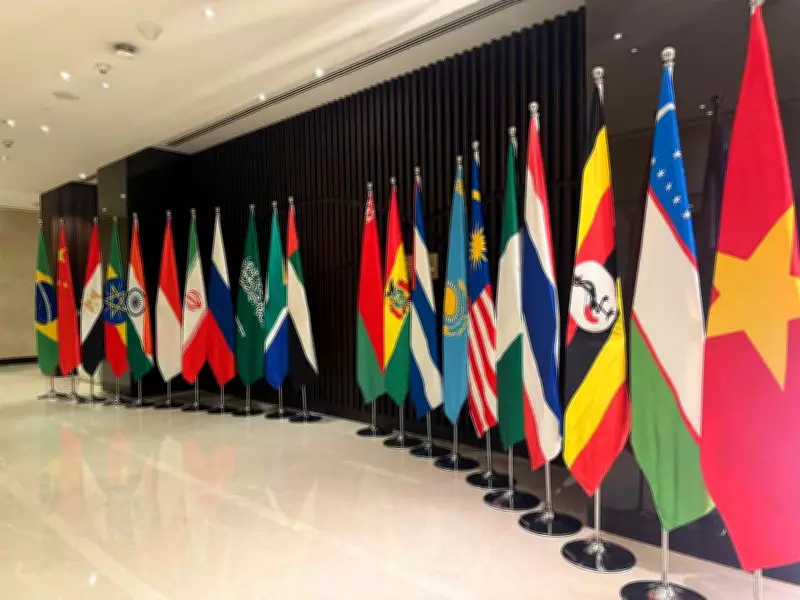
The Director General of the Narcotics Control Bureau (NCB), Anurag Garg, has called on BRICS drug law enforcement agencies to establish a partnership built on speed, trust, and seamless real-time intelligence sharing that transcends borders, enabling swift action against international drug syndicates.
Urgent Need for Collaborative Action
Speaking at a BRICS anti-drug meeting, Garg emphasized that traditional methods of information exchange are no longer sufficient to counter the rapidly evolving tactics of transnational drug networks. He stressed the importance of a unified digital platform where member nations can share actionable intelligence instantly.
“The scale and sophistication of drug trafficking require us to move beyond sporadic cooperation. We need a real-time network that allows us to act as one against these syndicates,” Garg stated, according to official sources.

India’s Vision as BRICS Chair
India, currently holding the BRICS chair, is pushing for concrete measures to strengthen collective security. The proposal includes setting up a dedicated communication channel and joint task forces to monitor and intercept drug shipments, precursor chemicals, and money laundering routes.
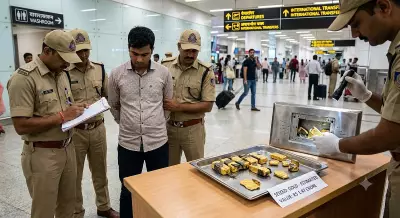
The NCB chief highlighted that drug trafficking fuels other organized crimes, including terrorism and human trafficking, making it a priority for the bloc. He cited recent seizures and arrests as evidence that coordinated action yields results.
Mechanisms and Expected Impact
Under the proposed framework, BRICS nations would share data on known traffickers, new smuggling routes, and emerging drug trends. This would be supplemented by joint training programs and capacity-building initiatives to enhance the skills of frontline officers.
Experts believe that such a network could significantly reduce the time gap between intelligence gathering and enforcement action, potentially disrupting major drug cartels operating across the BRICS countries. The initiative is expected to be discussed further at the next BRICS summit.