India has strongly rejected questions about its human rights record, dismissing reports by certain non-governmental organizations (NGOs) as baseless. A senior Indian Foreign Service officer stated that critics lack understanding of India's vast scale and diversity.
India's Response to Human Rights Queries
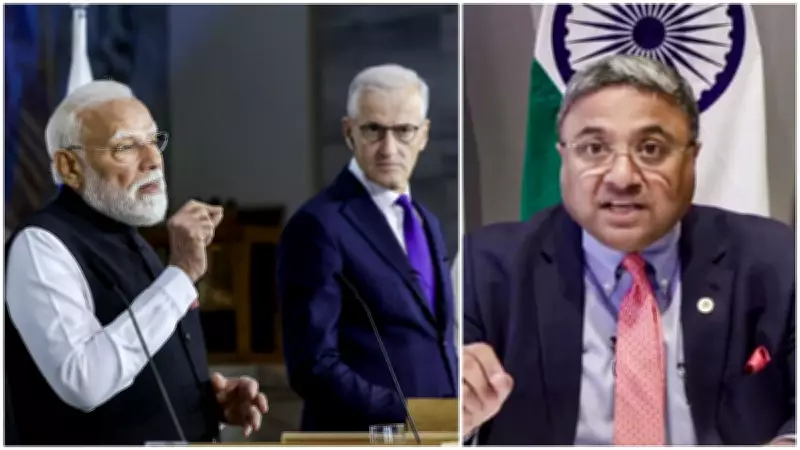
The remarks came in response to queries raised by Norway and other nations during a recent diplomatic engagement. The officer said, 'People have no understanding of the scale of India. They read one or two reports published by some god-forsaken, ignorant NGOs and then come and ask questions.'
The statement underscores India's frustration with what it perceives as uninformed criticism from external actors. The officer emphasized that India's democratic framework and legal system are robust enough to address any genuine human rights concerns.

Context of the Remarks
The comments were made by Anirban Bhaumik, a senior diplomat, on May 19, 2026. He was responding to queries about alleged human rights violations in India. Bhaumik criticized the reliance on NGO reports, which he described as lacking credibility and understanding of India's complexities.
India has often faced scrutiny from international bodies and foreign governments over issues such as freedom of expression, minority rights, and treatment of activists. However, New Delhi maintains that such criticisms are often based on incomplete or biased information.
Reaction to NGO Reports
The officer specifically targeted NGOs that he claimed were 'god-forsaken and ignorant,' suggesting they produce reports without proper research or contextual knowledge. He argued that India's size and diversity mean that isolated incidents cannot be generalized as systemic failures.
India has previously clashed with NGOs over their funding and activities, with some being accused of interfering in domestic affairs. The government has tightened regulations on foreign funding for NGOs, citing national security concerns.
Diplomatic Implications
The strong language used by the diplomat reflects India's assertive stance on sovereignty and non-interference. It also signals a shift in how India engages with international criticism, moving away from defensive explanations to outright dismissal of certain sources.
Norway, which had raised the human rights questions, has not officially responded to the remarks. However, diplomatic sources indicate that the exchange may affect bilateral relations, though both sides are expected to continue cooperation on other issues.
In conclusion, India's rebuff of NGO reports highlights the ongoing tension between national sovereignty and international human rights advocacy. The government insists that its own institutions are best placed to assess and address any rights issues within the country.