India's Constitutional Legacy: How Shared Differences Forged Unity and Democracy
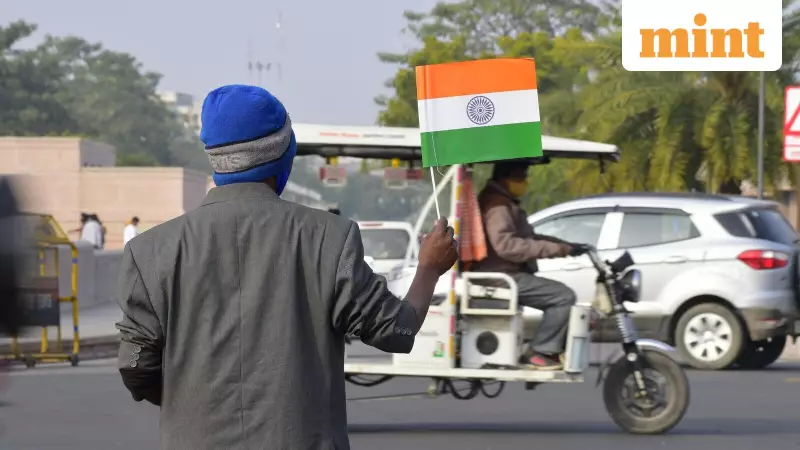
As India commemorates another Republic Day on January 26, opinions remain divided on its significance. For some, it's a routine government event; for others, it's a profound symbol of national pride and honor. This very division of opinion reflects a unique strength in India's democratic fabric—the ability to progress while passionately debating differences.
The Lumbering Journey of 76 Years
The inspiring tale of India's constitutional journey began with 299 members of the Constituent Assembly, tasked with drafting a Constitution for an independent nation. These visionaries held deep philosophical differences, yet their collaborative efforts laid the foundation for a resilient democracy.
For instance, Dr. B.R. Ambedkar's Hindu Code Bill proposed revolutionary changes, including legal settlements for property when Hindus died without wills, advocating equal distribution among widows, sons, and daughters. It also mooted changes in Hindu marriage practices, granting women the right to seek divorce. Despite stiff opposition from traditionalists, Ambedkar and Jawaharlal Nehru's efforts to convince detractors highlighted the early struggles for social reform.

Debates on Reservation and Minority Rights
Reservations for minorities, scheduled castes, and tribes in government institutions sparked vociferous arguments within the Assembly. Sardar Patel opposed any form of reservation, while Ambedkar insisted on its necessity for social justice.
On May 29, 1949, Pandit Nehru articulated a nuanced stance: "It won't be correct to remove reservations for the scheduled castes and tribes. I don't view it as a problem that a particular religion is in minority and that's why it should be given reservation. But I consider it a problem if a community is vulnerable and backward and that's why it should get reservation." He expressed satisfaction that the provision was initially granted for just ten years, though it continues today.
Tajmul Hussain, a member from Bihar, denounced reservations based on religion or caste, stating, "In principle, any reservation based on religion or caste is wrong. My firm conviction is there shouldn't be any reservations for anyone, and as a Muslim, I say it shouldn't be extended for Muslims too." This diversity of perspectives underscored the Assembly's commitment to inclusive dialogue.
Navigating a Divided Landscape
Preparing a draft constitution was an arduous task, given India's fragmented landscape:
- A country divided into princely states
- A society segmented by castes and religions
- A landmass with varied geographical features
- Linguistic divisions and centuries of poverty-driven inequality
The founding fathers grappled with these challenges while shaping the nation's governance structure.
Clashing Ideologies and Compromises
Ambedkar and Nehru advocated for a strong central government, arguing it was essential post-Partition to maintain unity and eradicate poverty. In contrast, Santhanam and his supporters favored greater powers and financial support for states, warning they would become liabilities otherwise.
A tussle emerged between Gandhian and European ideas of the state. Many members emphasized village panchayats, but Dr. Ambedkar opposed this, viewing villages as dens of parochialism and ignorance.
Property rights sparked another debate: Sardar Patel championed the right to property as a fundamental right, while Nehru and socialist leaders sought restrictions to facilitate social and land reforms.
The National Language Debate
The issue of a national language trumped all others. South Indian members opposed making Hindi the national language, while northern members supported it. Notably, Durgabai Deshmukh from Andhra Pradesh raised her voice in favor of Hindi, illustrating the complex regional dynamics.
Exemplary Patience and Inclusive Deliberation
Amid these contradicting voices, the draft constitution was meticulously prepared. No provision was accepted solely by majority vote; instead, every opposing view was heard and addressed, as documented in the 12 volumes of Constituent Assembly debates.

As chair of the draft committee, Ambedkar demonstrated exemplary patience, acting as a bridge between ideologies. He answered queries logically and legally, ensuring a balanced approach. For example, the Muslim League's demand for a separate electorate was rejected, but temporary reservation for scheduled castes and tribes for ten years was accepted—a provision that endures today.
Enduring Contentious Issues
Language, reservation, and a common civil code remain contentious issues in contemporary India. However, this isn't necessarily a flaw; it reflects a vibrant democracy where people continue to debate while moving forward. Since the Constituent Assembly's creation, India has preserved national unity and democracy despite countless setbacks, a trait that distinguishes it from neighbors like Pakistan and Bangladesh.
We must express gratitude to our founding fathers for delicately extracting pearls of wisdom from a sea of opposition to craft our Constitution. It is our duty to preserve the soul of this great text, honoring a legacy built on shared differences that have fortified India's democratic spirit for generations.