

India's Delimitation Conundrum: A Constitutional Challenge
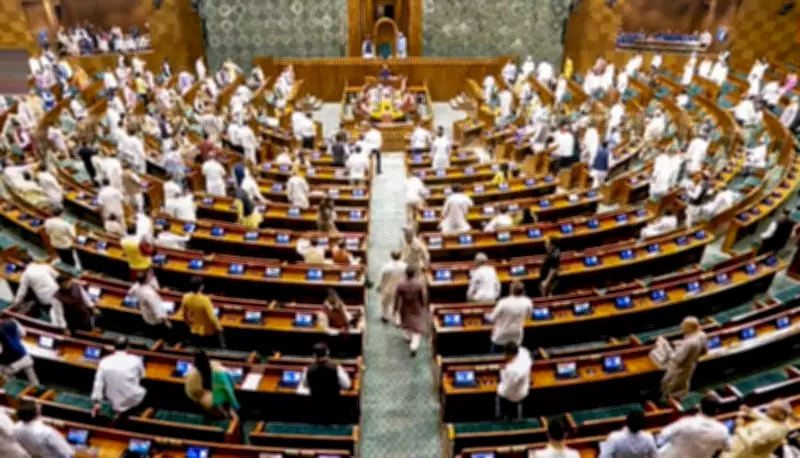
With the recent rejection of the Constitution (131st Amendment) Bill, 2026, in the Lok Sabha, India is poised to embark on a comprehensive delimitation exercise. This process, deferred for over five decades, aims to redraw the composition and boundaries of Lok Sabha and state Assembly constituencies, addressing long-standing issues of under-representation and electoral fairness.
The Principle of 'One Person, One Vote, One Value'
At the heart of this delimitation exercise lies the fundamental democratic principle of 'One Person, One Vote, One Value'. This principle ensures that each citizen's vote carries equal weight, promoting fairness in representation. However, implementing this in a diverse country like India presents significant challenges, as population shifts and demographic changes over the past fifty years have led to disparities in constituency sizes.
Addressing Under-Representation Concerns
The delimitation process is crucial for correcting under-representation in various regions. States with slower population growth have seen their influence diluted, while faster-growing states face overcrowded constituencies. By basing the exercise on the ongoing Census data, authorities aim to create a more balanced and equitable electoral map. This involves not just adjusting boundaries but also potentially reallocating seats to better reflect current population distributions.

Adhering to these principles while navigating political and social sensitivities is a formidable task. The rejection of the 2026 bill underscores the complexities involved, as lawmakers grapple with balancing regional interests with national democratic ideals.
Implications for Future Elections
This exhaustive delimitation exercise will have far-reaching implications for India's political landscape. It could reshape electoral dynamics, influence party strategies, and enhance voter engagement by ensuring more accurate representation. As the process unfolds, stakeholders must prioritize transparency and inclusivity to uphold the integrity of India's democratic framework.






