Order in Chaos: Why India's Democracy Stands Strong Amid Global Turmoil
India's democracy continues to shine as a beacon of stability in a world full of political upheavals. Many democracies across the globe face significant strain today. Yet India maintains its constitutional continuity with remarkable resilience. This fact signals genuine hope for democratic systems everywhere.
Constitutional Continuity in a Turbulent Age
Political landscapes worldwide experience frequent disruptions and uncertainties. Nations see their democratic foundations tested by various internal and external pressures. In this challenging environment, India's steadfast adherence to its constitutional framework stands out. The country's institutions demonstrate a built-in capacity to resist breaches and maintain order.
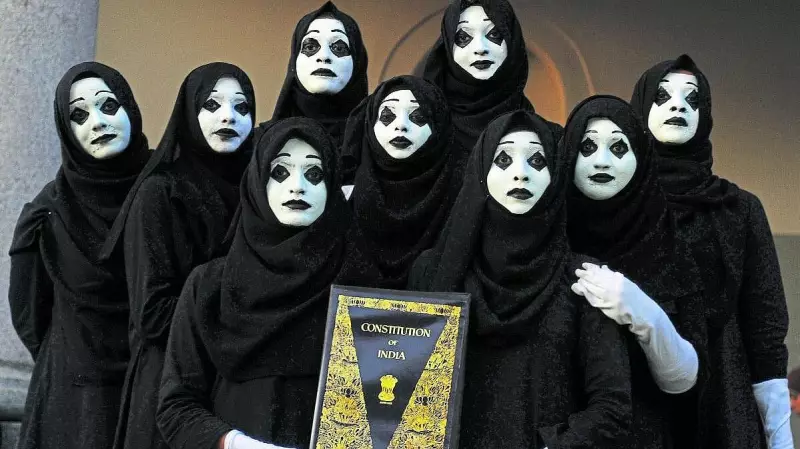
This resilience does not mean India faces no difficulties. The nation's inclusive foundations have indeed experienced some erosion over time. Social and political tensions occasionally surface, creating anxieties among citizens. However, the institutional architecture proves robust enough to manage these challenges effectively.

Institutional Strength Against All Odds
India's democratic institutions operate with a surprising degree of stability. They function even when political chaos seems to dominate the headlines. The judiciary, the election commission, and other constitutional bodies continue their work with dedication. They uphold the rule of law and democratic principles consistently.
This institutional strength provides a crucial buffer against potential democratic backsliding. It ensures that the country's political system remains functional and credible. Citizens can rely on these institutions to protect their rights and freedoms. The system's resilience becomes particularly evident during times of national crisis or political transition.
The Erosion of Inclusive Foundations
Despite this institutional robustness, concerns persist about India's inclusive character. The nation's diverse social fabric faces occasional strains. Some communities express anxieties about their place in the democratic framework. These tensions highlight the ongoing work needed to strengthen social cohesion.
The challenge lies in balancing stability with genuine inclusivity. India's democracy must address these concerns without compromising its constitutional integrity. This requires continuous dialogue and adaptation within the established institutional framework. The system's ability to evolve while maintaining core principles remains its greatest strength.
Hope for Democracies Worldwide
India's experience offers valuable lessons for other democracies under strain. The country demonstrates that constitutional continuity can survive significant political pressures. Institutional design matters greatly in preserving democratic values. Properly structured institutions can withstand attempts to undermine democratic norms.
As the first essay in a three-part series, this analysis sets the stage for deeper examination. Future discussions will explore specific institutional mechanisms and their practical functioning. They will consider how India's democracy addresses contemporary challenges while preserving its essential character.
The global democratic community watches India's journey with keen interest. The country's ability to maintain order amid chaos provides inspiration for democratic renewal elsewhere. India's story continues to evolve, but its constitutional foundation remains remarkably steady.