The Imperative for a More Representative Lok Sabha in India
India, celebrated as the world's largest democracy, stands at a pivotal juncture where the composition of its Lok Sabha, the lower house of Parliament, is under intense scrutiny. With a population exceeding 1.4 billion people, the need for a legislative body that truly mirrors the nation's vast diversity has never been more pressing. This article delves into the current state of representation and the compelling arguments for transformative reforms to bolster democratic integrity.
Current Representation Gaps in the Lok Sabha
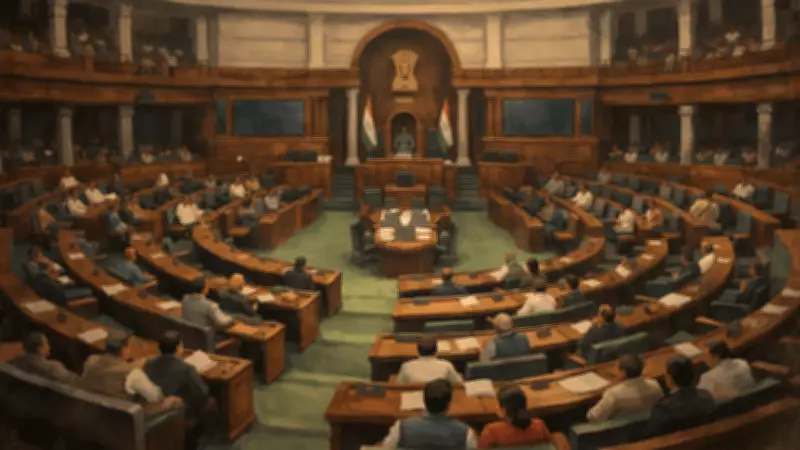
The Lok Sabha, comprising 543 elected members, is tasked with representing India's multifaceted society, which includes numerous ethnicities, religions, languages, and socio-economic groups. However, significant disparities persist. For instance, women hold only about 14% of the seats, despite constituting nearly half the population. Similarly, representation from marginalized communities, such as Scheduled Castes and Scheduled Tribes, often falls short of their demographic proportions due to structural barriers and limited political empowerment.
Regional imbalances further exacerbate these issues. States with larger populations, like Uttar Pradesh and Maharashtra, wield considerable influence, while smaller states and union territories may have their voices diluted in national decision-making. This uneven distribution can lead to policies that do not adequately address local needs, undermining the principle of federalism that is central to India's democratic framework.

The Impact on Democratic Governance
A Lok Sabha that lacks comprehensive representation risks eroding public trust and participation in the democratic process. When citizens feel their identities and concerns are not reflected in Parliament, it can foster disengagement and cynicism, weakening the social contract. Moreover, underrepresentation of key groups hampers the formulation of inclusive policies, potentially perpetuating inequalities in areas such as education, healthcare, and economic opportunities.
Electoral systems also play a crucial role. The first-past-the-post system used in India can result in winners securing seats with less than a majority of votes, which may not accurately capture the electorate's will. This has sparked debates about alternative models, such as proportional representation, to ensure a more equitable distribution of seats based on vote share, thereby enhancing the legitimacy of the Lok Sabha.
Proposed Reforms for Enhanced Representation
To address these challenges, several reforms have been proposed by experts and civil society groups. Key recommendations include:
- Reservation of seats for women: Implementing a long-pending bill to reserve 33% of Lok Sabha seats for women, which could significantly boost gender parity and bring diverse perspectives to the forefront.
- Strengthening quotas for marginalized communities: Ensuring that reserved seats for Scheduled Castes and Scheduled Tribes are filled through fair and transparent processes, with support for political training and funding.
- Electoral system overhaul: Exploring mixed-member proportional representation or other systems to better align seat allocation with voter preferences, reducing the winner-takes-all dynamic.
- Decentralization of power: Empowering local governments and state assemblies to handle more issues, reducing the burden on the Lok Sabha and allowing for more tailored governance.
The Global Context and India's Democratic Leadership
As democracies worldwide grapple with issues of representation and inclusion, India's efforts to reform its Lok Sabha could set a powerful example. By embracing changes that foster a more representative Parliament, India can reinforce its status as a global democratic leader, inspiring other nations to prioritize inclusivity in their governance structures. The journey toward a more equitable Lok Sabha is not just a political necessity but a moral imperative to uphold the values of justice, liberty, and equality enshrined in the Constitution.

In conclusion, the call for a more representative Lok Sabha is a critical step in strengthening India's democracy. Through targeted reforms and a commitment to inclusivity, India can ensure that its Parliament truly serves all its people, paving the way for a more resilient and vibrant democratic future.