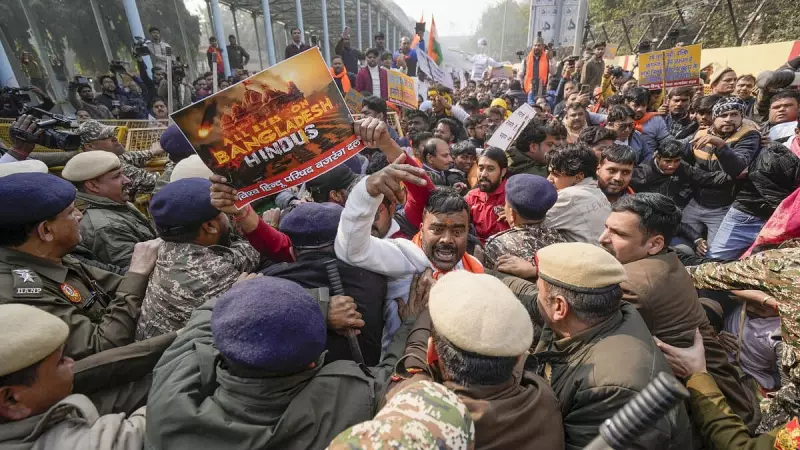
A wave of recent protests concerning minority rights in India has drawn global attention, yet a closer examination reveals a stark contrast between international advocacy and the domestic track record of many protesters. The performative nature of some demonstrations becomes apparent when viewed against the long-standing struggles faced by the country's largest religious minority.
The Domestic Reality for India's Muslim Community
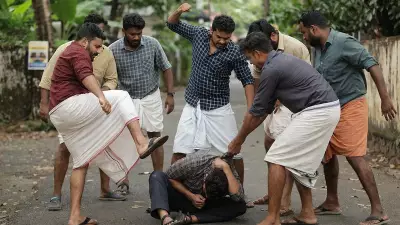
For years, India's Muslim population, which constitutes the nation's largest minority group, has endured severe challenges. They have frequently borne the brunt of mob violence and public lynchings, incidents often linked to hardline Hindutva groups. Beyond spontaneous attacks, there exists a pervasive pattern of institutional discrimination that affects daily life and opportunities.
Critically, a common thread in these incidents has been a perceived lack of accountability from authorities. Legal proceedings are often slow, and convictions in cases of hate crimes remain disproportionately low. This environment has fostered a sense of vulnerability within the community.

The Performative Paradox of Recent Protests
What lends a peculiar quality to the latest outcry is the history of the protesters themselves. Many who are now vocal on international platforms have maintained a notable silence or offered minimal opposition to the same issues within India's borders. This disconnect raises questions about the sincerity and depth of their commitment to minority protection when it concerns their own political backyard.
The protests, while highlighting a legitimate and urgent crisis, sometimes cross borders rhetorically but fail to translate into effective, sustained action on the streets and in the political arenas where change is most needed. The energy directed outward is not matched by commensurate pressure for domestic legal and social reform.
Accountability and the Path Forward
The core issue remains accountability from authorities. Without robust legal frameworks being enforced and a political will to protect all citizens equally, declarations of solidarity remain hollow. The situation calls for a consistent, principled stance that challenges mob violence and institutional discrimination regardless of political convenience.
The facts and dates are clear. The article referenced was published on 09 January 2026, by Vishal R Choradiya, pointing to a continuing discourse. The need of the hour is for concern to manifest not just in cross-border statements but in tangible, local action that ensures safety and justice for every Indian citizen.