

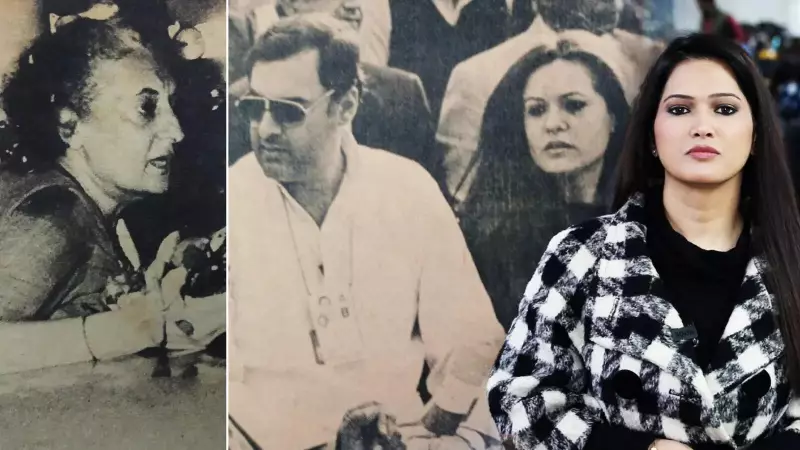
A recent Enforcement Directorate (ED) raid in Kolkata has sparked a fierce political clash, with parties trading accusations and fighting to control the story. This scene feels deeply familiar in Indian politics. It echoes a dramatic chapter from over four decades ago, one that involved a former Prime Minister, a prolonged arrest, and a bizarre kitchen appliance that entered the nation's political legend.
The Historic Arrest of a Former PM
In October 1977, the political landscape of India was in flux. The Congress party had lost power after the Emergency, and the Janata Party government was in charge. It was in this climate that Central Bureau of Investigation (CBI) officers arrived at the Delhi residence of former Prime Minister Indira Gandhi to arrest her.
The arrest did not happen swiftly. Reports from the time indicate that the CBI officials waited for hours as Indira Gandhi prepared herself. This period of "packing" became a subject of intense speculation. Later, a curious and persistent rumour began to circulate. It was alleged that during those crucial hours, sensitive documents were destroyed not by shredding, but by using a pasta maker from the Gandhi family kitchen. The machine, meant for crafting food, was supposedly repurposed to pulp incriminating papers. This story, however vivid, was never proven.

From Courtroom to Political Folklore
Despite the high-profile arrest, Indira Gandhi did not remain in custody for long. She was released on bail the very same day. The legal case against her eventually collapsed, failing to stand up in court. But the political impact was profound and lasting.
The image of a once-powerful leader being arrested, coupled with the unverified but sensational pasta maker anecdote, stirred significant public sympathy. The event was framed as political vendetta, transforming Indira Gandhi from an accused leader into a perceived victim. This narrative proved to be a powerful tool.
A Dramatic Comeback Powered by Narrative
The fallout from that October day in 1977 set the stage for one of the most remarkable political resurgences in Indian history. Capitalising on the public sentiment, Indira Gandhi and the Congress party rebuilt their base. Within just three years, by 1980, she led her party to a massive landslide victory in the general elections, returning to the prime minister's office with renewed authority.
The 1977 episode, complete with its mix of hard fact and enduring myth, cemented itself as a core part of India's political folklore. It serves as a timeless lesson on how legal actions, public perception, and compelling stories can intertwine to dramatically alter the fate of leaders and parties. As current events with central agencies unfold, many political analysts look back at this chapter, noting how the battle over narrative often becomes as decisive as the battle in the courtroom.






