

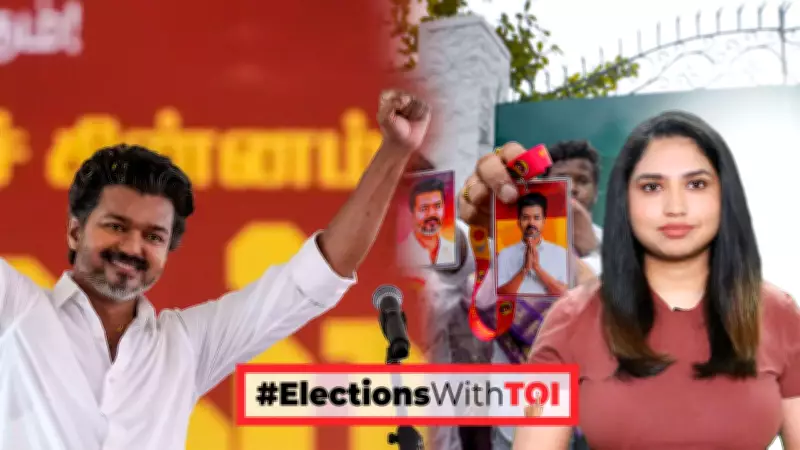
The political landscape in Tamil Nadu has been electrified by the strong debut of Vijay-led TVK. The party has positioned itself within striking distance of power, but the numbers tell a more complex story. Even with Congress backing, TVK falls short of the majority mark once key factors like seat vacancy and the Speaker's role are accounted for.
The Real Math Behind Government Formation
To form a government in Tamil Nadu, a party or alliance needs a simple majority in the 234-member assembly. TVK's performance, while impressive, does not automatically translate into a clear path to power. The arithmetic becomes even more intricate when considering potential vacancies, by-elections, and the Speaker's casting vote. This explainer breaks down the numbers and the alliance options before TVK.
Congress Support: A Double-Edged Sword
The Congress party's decision to extend support to TVK has provided a significant boost, but it has also triggered sharp reactions from the DMK. The DMK, a major rival in the state, has criticized the move, accusing Congress of betraying the alliance. This political tension adds another layer of complexity to the negotiations.

Alliance Options and Negotiations
TVK is now exploring multiple alliance options to reach the majority mark. The party is in talks with smaller parties and independents, but the negotiations are fraught with challenges. The possibility of a May 7 oath-taking ceremony has added urgency to the race, which is now about numbers as much as political maneuvering.
The Speaker's Role and Seat Vacancy
One of the critical factors in government formation is the role of the Speaker. If TVK falls short of a majority, the Speaker's casting vote could prove decisive. Additionally, any vacancies due to resignations or disqualifications could alter the arithmetic. The party must account for these variables in its strategy.
Political Tensions and Reactions
The Congress move has not only strained relations with the DMK but also sparked debates within the party itself. Some Congress leaders have expressed concerns about aligning with TVK, while others see it as a strategic opportunity. The DMK, on the other hand, has accused Congress of undermining the secular alliance. These tensions are likely to influence future political alignments in Tamil Nadu.
As the clock ticks towards the oath-taking ceremony, TVK is engaged in intense negotiations to secure the numbers. The coming days will reveal whether Vijay can turn his party's strong debut into a successful bid for power.






