Delhi Court Orders Four-Day Police Custody for IYC President in AI Summit Protest Case
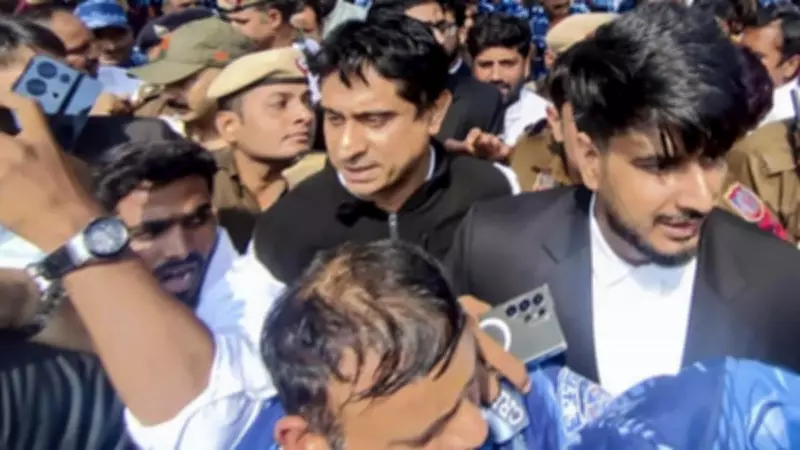
A Delhi court has delivered a significant ruling in the case concerning protests at the recent Artificial Intelligence Summit, sending Indian Youth Congress (IYC) president Uday Bhanu Chib to four days of police custody. This decision follows demonstrations that occurred during the high-profile event, which commenced on February 16 and attracted massive crowds throughout its duration.
Background of the AI Summit and Protests
The AI Summit, which began on February 16, was a major gathering in the technology sector, featuring packed halls and extensive queues as attendees flocked to the venue. The event drew a diverse array of participants, including prominent tech moguls, influential industry leaders, key policymakers, and innovative founders from across the country and beyond. Despite the summit's focus on technological advancements and discussions, it was marred by protests that led to legal actions against certain individuals, including the IYC president.
Legal Proceedings and Custody Details
The court's order for four-day police custody for Uday Bhanu Chib underscores the seriousness with which authorities are treating the protest incidents. Police custody allows law enforcement officials to detain and interrogate the accused to gather further evidence and investigate the full extent of the protest activities. This development highlights the ongoing legal scrutiny surrounding the demonstrations that disrupted the otherwise successful AI Summit.

Key aspects of the case include:
- The timing of the protests during a nationally significant tech event.
- The involvement of a prominent political youth leader like the IYC president.
- The court's decision to grant police custody rather than judicial remand, indicating an active investigation phase.
Implications and Broader Context
This incident raises important questions about the intersection of technology, governance, and public dissent. The AI Summit's success in attracting top-tier participants contrasts sharply with the protests that led to this legal action. As the case progresses, it may influence how future tech events handle security and manage demonstrations, while also impacting political narratives around youth activism and technological policy in India.
The court's ruling is expected to set a precedent for handling similar situations at high-profile gatherings, balancing the right to protest with the need for order at major public events.