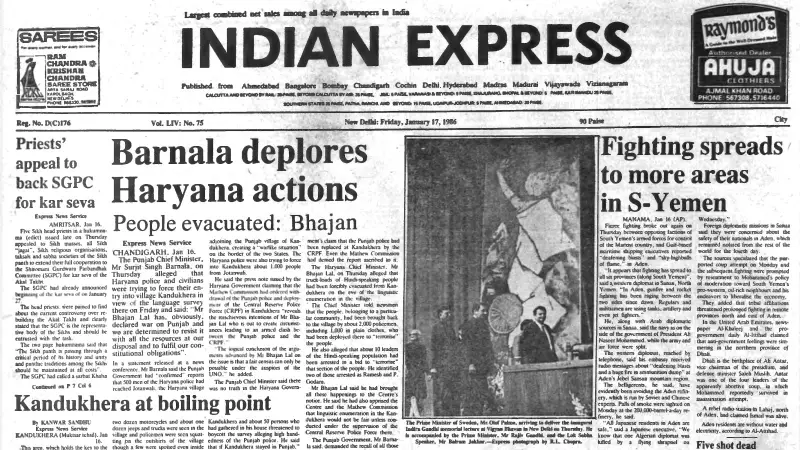
Forty years ago, on January 17, 1986, the village of Kandukhera found itself at the center of a major political storm. This key location in the Abohar-Fazilka belt was virtually at boiling point. Both Punjab and Haryana had deployed unprecedented numbers of police forces in the area. The heavy police presence turned Kandukhera into what observers described as a virtual police camp.
Police Seal All Entry Points
Authorities sealed all entry points to the village. This drastic measure came on the eve of a fresh language survey by enumerators. The survey aimed to assess linguistic demographics in this sensitive border region. However, the police build-up created an atmosphere of extreme tension and apprehension among local residents.
Haryana Issues Stern Warning
Haryana state officials issued a serious threat regarding the language enumeration process. They warned that if the survey results were vitiated or manipulated, and if simultaneous transfer of Hindi-speaking villages from the area did not occur, several consequences would follow. Specifically, Haryana stated that the transfer of Chandigarh to Punjab would become impossible. Furthermore, the entire Punjab accord would collapse under these circumstances.

This threat was formally documented in an application filed by Haryana before the Mathew Commission. The application specifically requested replacement of Punjab police forces with Central Reserve Police Force (CRPF) personnel to ensure impartiality during the survey process.
Prime Minister's Media Coverage Continues
In other national news from that day, Prime Minister Rajiv Gandhi continued to receive extensive coverage on Doordarshan television. This persisted despite his repeated warnings against excessive "image-building" efforts on his behalf. Following several meetings between Doordarshan officials and the Information and Broadcasting Ministry, it became clear that the Prime Minister's television exposure would not be reduced. These discussions occurred after PM Gandhi expressed displeasure about his continued prominent projection on national television.
International Conflict in South Yemen
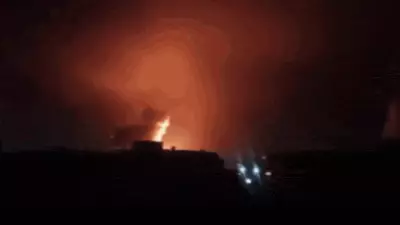
Internationally, fierce fighting erupted again between opposing factions of South Yemen's armed forces. The conflict centered on control of the country, with Gulf-based maritime shipping executives reporting "deafening blasts" and "sky-high balls of flame" in the port city of Aden. A Western diplomat stationed in Sanaa, North Yemen, confirmed that the fighting appeared to have spread to all six provinces of South Yemen, indicating a significant escalation in the regional conflict.
Consumer Protection Legislation Advances
On the legislative front, the Consumer Protection Bill of 1986 promised significant reforms for Indian consumers. The bill featured several important highlights including establishment of special civil courts for speedy redressal of consumer complaints. These courts would also handle compensation awards and verification of claims made by industries about their products. The legislation was expected to be introduced during the forthcoming Budget Session of the Lok Sabha, marking an important step toward stronger consumer rights in India.
The events of January 17, 1986, captured a moment of significant tension in Indian border politics, alongside developments in media governance, international conflicts, and consumer protection legislation that would shape the country's trajectory in the years to follow.