BJP MP Kangana Ranaut Launches Scathing Attack on Rahul Gandhi's Parliamentary Conduct
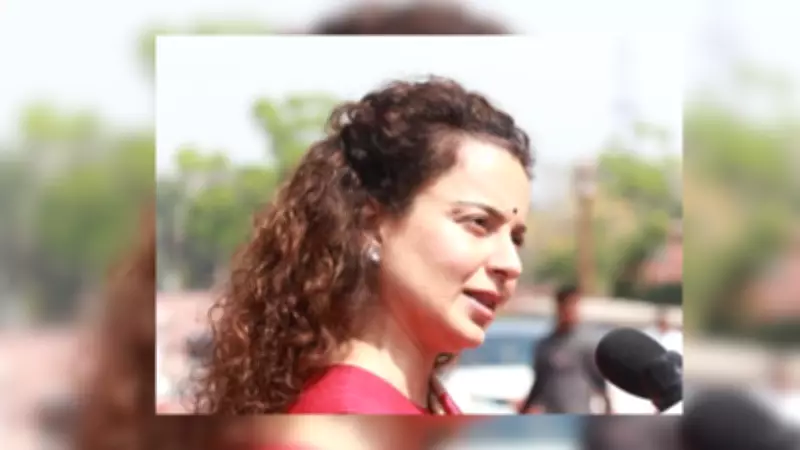
BJP Member of Parliament Kangana Ranaut has launched a sharp criticism against Congress leader and Leader of Opposition in the Lok Sabha, Rahul Gandhi, accusing him of inappropriate behavior towards fellow parliamentarians. Speaking to the media on Wednesday, Ranaut specifically targeted Gandhi's alleged conduct during interviews and parliamentary proceedings.
Kangana Ranaut's Direct Accusations Against the Congress Leader
"We, the women, get very uncomfortable seeing the way he conducts himself," stated Kangana Ranaut during her media interaction. "He walks in like a 'tapori' and heckles those giving interviews. He should see the conduct and behaviour of his sister, which is very good. Rahul Gandhi himself is a shame."
The term 'tapori' refers to street-smart or rowdy behavior in colloquial Hindi, indicating Ranaut's perception of Gandhi's parliamentary demeanor as lacking dignity and proper decorum. Her comments highlight growing concerns about parliamentary conduct and the expectations from those holding high constitutional positions.

Background: The March 12 Parliament Incident
Ranaut's remarks follow significant developments involving a formal complaint against Rahul Gandhi's behavior. An open letter signed by 84 former bureaucrats, 116 veterans, and four prominent lawyers has called upon Gandhi to apologize for an incident that occurred on March 12.
During this incident, Gandhi was observed having tea and biscuits at the Makar Dwar entrance of Parliament while parliamentary proceedings were ongoing. The letter, spearheaded by former Jammu and Kashmir Director General of Police SP Vaid, described the episode as "deeply concerning" and indicative of "conscious disregard for parliamentary authority."
Former Officials Voice Strong Concerns About Parliamentary Decorum
SP Vaid elaborated on the collective concerns during his media statement: "84 former bureaucrats, 116 veterans and former lawyers have addressed this letter to the public stating that Rahul Gandhi's behaviour in Parliament is not becoming of a Leader of the Opposition, which is a very responsible post. His behaviour shows a sense of entitlement and arrogance."
Vaid further criticized specific actions: "He indulges in theatrics; he sits on the steps of the Parliament and sips tea amid slogannering. I think Rahul Gandhi does not understand the importance of the post of LoP."
The former DGP emphasized the need for Gandhi to recognize his responsibilities: "We want him to understand this and apologise to the nation for all that has happened until now. Despite Speaker Om Birla appealing to him to maintain the dignity of the house, Rahul Gandhi doesn't understand."
Call for Responsibility and Parliamentary Dignity
Vaid's statement continued with a direct appeal: "He has made a laughingstock of himself. We want him to fulfil the role of a responsible LoP. There should be humbleness, not arrogance & sense of entitlement. What happened on 12th March was deplorable."
The signatories stressed the broader implications of parliamentary conduct: "Rahul Gandhi must understand his responsibility, because people listen when he speaks. The aspirations of the nation rest on the discussion that takes place in the Parliament and the laws emerging from it."
In their formal letter, the collective group of former officials made it clear that Parliament should not serve as a venue for spectacle or political theater. They asserted that Gandhi's conduct demonstrated significant disregard for established parliamentary norms and the essential decorum expected within the hallowed halls of India's legislative body.
This developing situation highlights ongoing tensions regarding parliamentary behavior and the expectations placed on opposition leaders in India's democratic framework. The criticism from both a sitting BJP MP and numerous former officials underscores the political significance of maintaining parliamentary dignity and protocol.