Shobha Karandlaje Appeals for Unified Political Support on Women's Reservation Bill
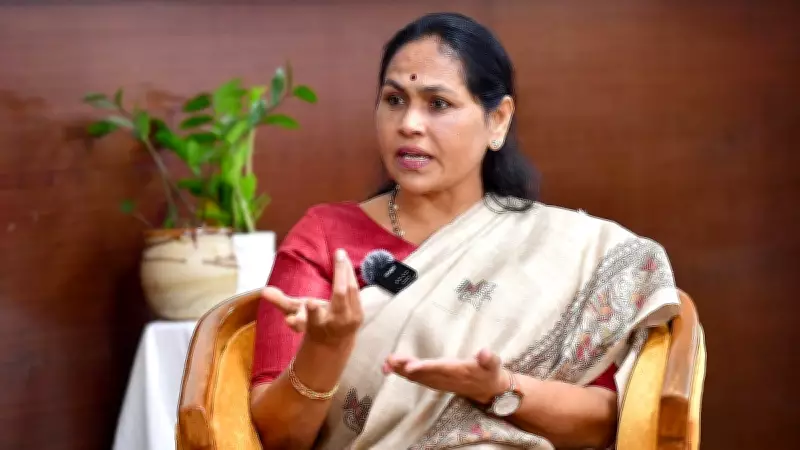
In a significant political development, Union Minister Shobha Karandlaje has made a fervent appeal to all political parties across the spectrum to rally behind the Women's Reservation Bill. Speaking to journalists in Bengaluru, Karandlaje emphasized the critical importance of this legislative measure for advancing gender equality in India's democratic framework.
Emphasis on Prime Minister Modi's Empowerment Agenda
Karandlaje highlighted that Prime Minister Narendra Modi has consistently prioritized the social, educational, and economic empowerment of women throughout his tenure. "Our Prime Minister has consistently focused on the social, educational, and economic empowerment of women, and is now pushing for their increased participation in the legislative decision-making process," she stated during the press interaction. This statement underscores the government's broader commitment to enhancing women's roles in all spheres of public life.
Call for Bipartisan Cooperation
The minister's appeal is seen as a strategic move to foster bipartisan cooperation on a bill that has long been a contentious issue in Indian politics. Karandlaje urged opposition parties to set aside political differences and support the legislation, which aims to reserve seats for women in Parliament and state legislatures. This initiative is crucial for ensuring that women have a stronger voice in shaping policies that affect their lives and communities, she added.

Context and Implications
The Women's Reservation Bill, first introduced in the 1990s, seeks to allocate 33% of seats in the Lok Sabha and state assemblies for women. Despite periodic discussions, it has faced numerous hurdles, including lack of consensus among political parties. Karandlaje's call comes at a time when there is renewed focus on gender parity in governance, following global trends and domestic advocacy.
Key points from her address include:
- The need for all parties to prioritize national interest over partisan politics.
- Recognition of women's contributions to India's development and the necessity of their representation in lawmaking.
- Alignment with the government's ongoing efforts to empower women through schemes and policies.
Karandlaje's remarks in Bengaluru have sparked discussions among political analysts, who view this as a potential turning point for the bill's passage. As the debate continues, her appeal serves as a reminder of the ongoing struggle for gender equality in India's political landscape.