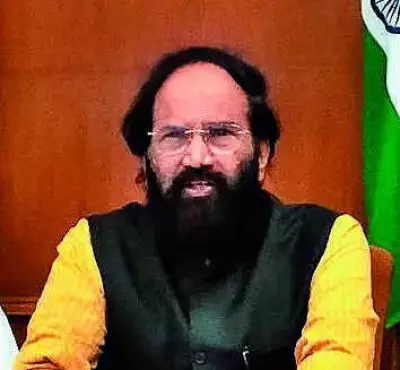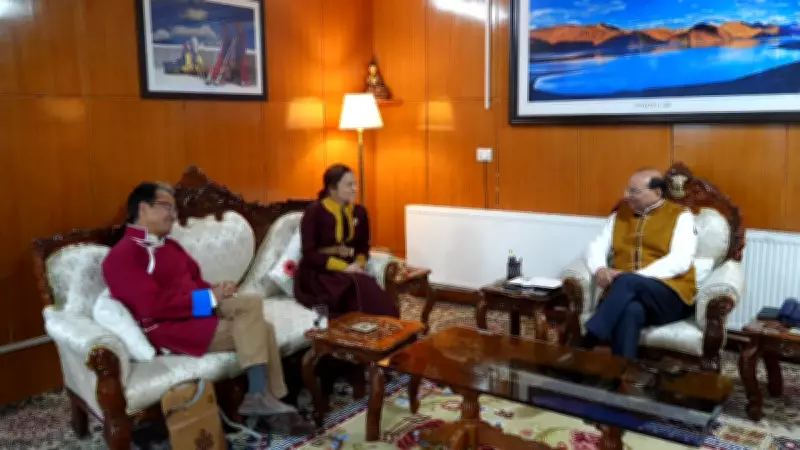
Ladakh Lieutenant Governor Brigadier BD Mishra has issued a strong caution to climate activist Sonam Wangchuk, warning him against promoting what the administration describes as a misleading and provocative narrative. The statement comes amid heightened tensions in the region over issues related to environmental conservation and developmental policies.
Background of the Dispute
Sonam Wangchuk, a prominent environmentalist and education reformist, has been vocal about the impact of large-scale infrastructure projects in Ladakh, particularly those related to tourism and military installations. He argues that such developments threaten the fragile ecosystem of the region and the traditional lifestyle of its inhabitants. The Ladakh administration, however, has maintained that these projects are essential for economic growth and national security.
The LG's office released a statement on Tuesday, asserting that Wangchuk's recent comments have been factually incorrect and designed to incite unrest. The statement urged Wangchuk to engage in constructive dialogue rather than resorting to sensationalism. It also highlighted the government's commitment to sustainable development and the welfare of Ladakh's people.

Key Points from the LG's Statement
- The administration respects the right to peaceful protest and dissent.
- Misinformation and provocative language can undermine public order and development efforts.
- All developmental projects undergo rigorous environmental impact assessments.
- The government is open to discussions with civil society groups on issues of concern.
Response from Sonam Wangchuk
In response, Wangchuk reiterated his commitment to non-violent activism and stated that his concerns are based on scientific evidence and ground realities. He accused the administration of ignoring the voices of local communities and called for a more inclusive decision-making process. Wangchuk also expressed willingness to participate in any dialogue that addresses the core issues of environmental sustainability and social justice.
Broader Implications
The exchange highlights the growing friction between environmental activists and government authorities in sensitive regions like Ladakh. As climate change accelerates, such conflicts are likely to become more frequent, necessitating a balanced approach that considers both ecological preservation and developmental needs. The situation in Ladakh is being closely watched by national and international observers, as it could set precedents for similar conflicts elsewhere.
Meanwhile, local residents have expressed mixed reactions. Some support Wangchuk's stand, fearing that unchecked development will lead to environmental degradation and loss of cultural identity. Others back the government's efforts to improve infrastructure and economic opportunities, which they believe are long overdue.
The Ladakh administration has called for calm and urged all stakeholders to refrain from actions that could disrupt peace and harmony. It has also promised to organize a series of town hall meetings to address public concerns transparently.