Lok Sabha Proceedings Halted as Opposition Demands West Asia Discussion
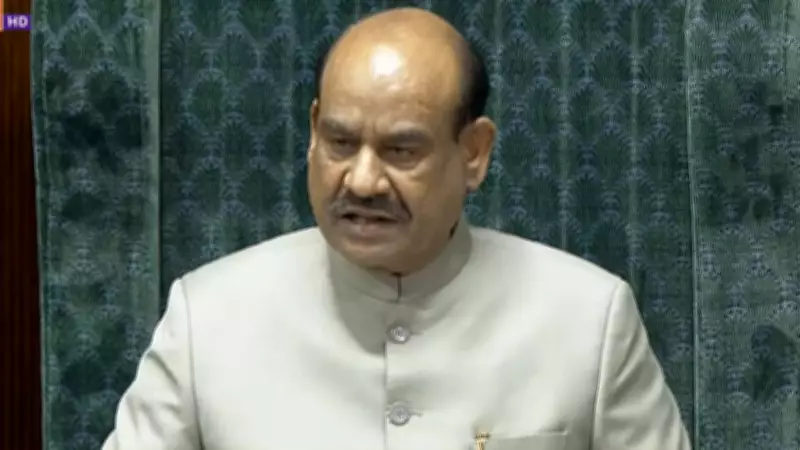
The Lok Sabha faced repeated adjournments on Monday, ultimately failing to address a crucial resolution seeking the removal of Speaker Om Birla. The parliamentary session was marred by persistent protests from opposition members, who vociferously demanded an immediate discussion on the escalating situation in West Asia, particularly focusing on the Israel-Iran conflict.
Adjournments and Heated Exchanges Dominate Session
After reconvening at 3 pm following an earlier adjournment, the House witnessed continued chaos as opposition MPs raised slogans and refused to allow normal proceedings. BJP MP Jagadambika Pal, who was presiding over the session in the Speaker's absence, made repeated appeals for decorum, urging members to permit the House to take up the listed no-confidence motion against Birla.
Pal emphasized that the resolution against the Speaker was formally listed on the day's agenda, while the opposition's adjournment notice concerning the West Asia crisis could not be prioritized at that procedural stage. The chair's attempts to restore order proved futile as protests intensified.

Financial and Procedural Concerns Raised
In a pointed criticism during the heated exchanges, Pal accused the opposition of "wasting taxpayers' money" through their disruptive tactics. He revealed that approximately Rs 9 crore is expended daily to operate the Lok Sabha, and described the opposition's conduct as "immature and irresponsible."
Pal further alleged that opposition members were "holding the proceedings hostage" to their demands, acting with a deliberate "political agenda" to prevent the House from considering the resolution against Birla. He clarified that both the government and the Chair were prepared to proceed with the no-confidence motion, but opposition obstructions made this impossible.
Speaker's Position and Parliamentary Deadlock
A significant procedural detail emerged during the proceedings: Speaker Om Birla had recused himself from presiding over the House until the no-confidence motion against him was resolved. This recusal, intended to maintain impartiality, ironically contributed to the deadlock as opposition protests prevented the very motion that would determine his status from being entertained.
The day ended with the House being adjourned without any substantive business being conducted, leaving the no-confidence resolution against Speaker Birla in limbo and the opposition's demand for a West Asia discussion unaddressed. This parliamentary impasse highlights the deepening tensions between the treasury and opposition benches, with significant implications for legislative functioning during a period of international crisis.