

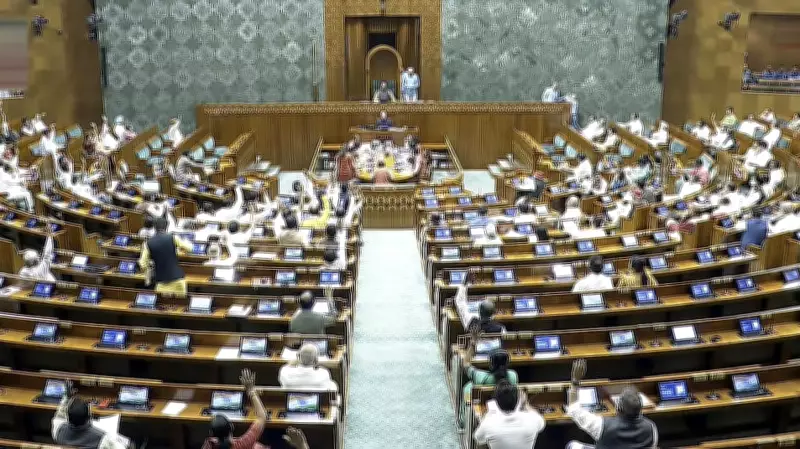
Lok Sabha Expansion Bill: Assessing the Financial Implications for Government
A proposed legislative bill aimed at increasing the number of seats in the Lok Sabha, India's lower house of Parliament, is under consideration, sparking discussions about its potential financial burden on the government exchequer. This move, intended to enhance representation and align with demographic changes, could lead to substantial costs associated with infrastructure, salaries, and operational expenses.
Understanding the Proposed Increase in Lok Sabha Seats
The bill seeks to expand the current composition of the Lok Sabha, which currently has 543 seats, by adding more members to better reflect population growth and ensure equitable representation across states. This expansion is part of broader parliamentary reforms aimed at strengthening democratic processes in India.
Historically, the Lok Sabha's seat allocation has been adjusted periodically based on census data, with the last major change occurring decades ago. The proposed increase is seen as a necessary step to address disparities and improve governance, but it comes with significant financial considerations that must be carefully evaluated.

Financial Burden on the Government Exchequer
The financial implications of increasing Lok Sabha seats are multifaceted, involving both direct and indirect costs. Key areas of expenditure include:
- Infrastructure Development: Constructing or renovating parliamentary buildings, offices, and facilities to accommodate additional members and staff.
- Salaries and Allowances: Providing salaries, travel allowances, and other benefits to new MPs, which could amount to crores of rupees annually.
- Operational Expenses: Covering costs related to security, logistics, and administrative support for the expanded Parliament.
- Electoral Processes: Funding for elections, voter registration, and other democratic activities associated with the new seats.
Estimates suggest that the total cost could run into thousands of crores, depending on the scale of the expansion and the timeline for implementation. This raises concerns about budget allocations and potential impacts on other government priorities, such as healthcare, education, and infrastructure projects.
Government's Response and Funding Strategies
The government has acknowledged the financial challenges posed by the Lok Sabha expansion bill and is exploring various funding mechanisms to mitigate the burden on the exchequer. Potential strategies include:
- Phased Implementation: Gradually increasing seats over several years to spread out costs and allow for better financial planning.
- Budget Reallocation: Adjusting existing budgets or seeking additional funds through parliamentary approvals to cover expenses.
- Public-Private Partnerships: Involving private entities in infrastructure projects to reduce direct government expenditure.
- Efficiency Measures: Optimizing parliamentary operations to minimize waste and ensure cost-effective management of resources.
Officials have emphasized that while the financial burden is significant, the benefits of enhanced representation and democratic inclusivity justify the investment. However, critics argue that the costs must be transparently disclosed and weighed against other pressing national needs.
Broader Implications for Indian Democracy
Beyond the financial aspects, the Lok Sabha expansion bill has broader implications for India's democratic framework. Increasing seats could lead to more diverse representation, giving voice to underrepresented regions and communities. It may also impact legislative processes, with more MPs potentially influencing policy debates and decision-making.
However, there are concerns about logistical challenges, such as managing a larger Parliament and ensuring effective governance. The government must balance these factors with the financial costs to ensure a smooth transition and sustainable implementation.

In conclusion, the proposed bill to increase Lok Sabha seats presents a complex scenario with substantial financial implications for the government exchequer. As discussions continue, stakeholders are calling for detailed cost analyses and transparent planning to address the economic burden while advancing democratic goals in India.





