

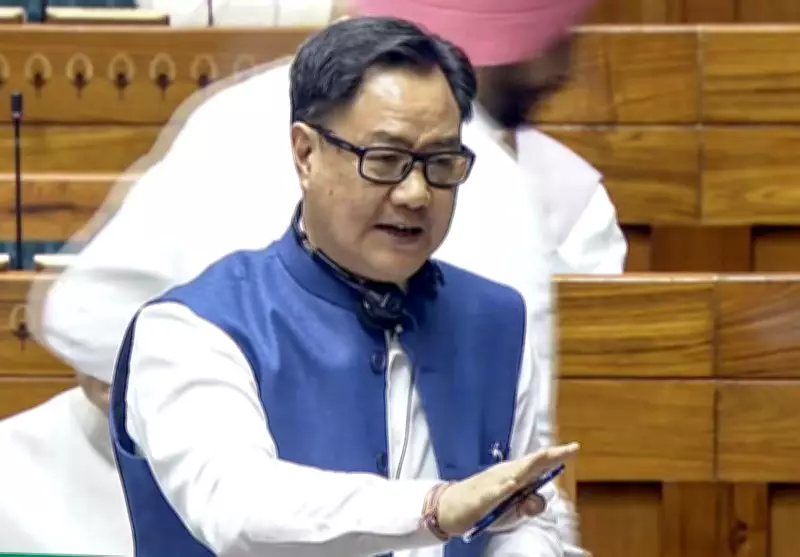
Heated Debate Erupts in Lok Sabha Over Resolution for Speaker's Ouster
A fiery and contentious debate unfolded in the Lok Sabha on Wednesday as a resolution seeking the removal of Speaker Om Birla was formally admitted for consideration. The development has ignited a political storm, with members from various parties engaging in heated exchanges over procedural norms and the implications for parliamentary democracy.
Admission of Resolution Sparks Political Firestorm
The resolution, which calls for the ouster of Speaker Om Birla, was admitted following a procedural motion that saw intense scrutiny from both the treasury and opposition benches. This marks a rare and significant moment in India's parliamentary history, as motions against the Speaker are infrequent and typically involve high-stakes political maneuvering.
The admission process itself became a focal point of debate, with opposition members arguing that it reflects growing discontent with the Speaker's conduct and rulings. In contrast, ruling party members defended Birla's tenure, emphasizing his impartiality and adherence to parliamentary traditions.

Key Points of Contention in the Debate
The debate highlighted several critical issues:
- Procedural Validity: Questions were raised about the technical aspects of admitting such a resolution, including whether it meets the required thresholds and follows established parliamentary rules.
- Political Motivations: Allegations flew regarding the timing and intent behind the resolution, with some labeling it as a politically motivated move to disrupt House proceedings.
- Impact on Parliamentary Functioning: Concerns were voiced about how this development might affect the Lok Sabha's ability to conduct business smoothly, especially with key legislative agendas pending.
Broader Implications for Indian Politics
This episode underscores the deepening political divisions within the Indian Parliament. The resolution against Speaker Om Birla is seen by many as a reflection of broader tensions between the government and opposition, which have been simmering over various policy disputes and procedural disagreements.
Analysts note that such moves are uncommon and could set a precedent for future parliamentary conduct. The outcome of this resolution, whether it proceeds to a vote or is withdrawn, will likely have lasting effects on inter-party relations and the decorum of the House.
As the debate continues, all eyes are on the Lok Sabha to see how this unprecedented situation unfolds. The resolution's admission has already sparked widespread discussion in political circles, with implications that extend beyond the immediate parliamentary session.






