LPG Crisis Disrupts Dinner Routine at Delhi Old Age Home
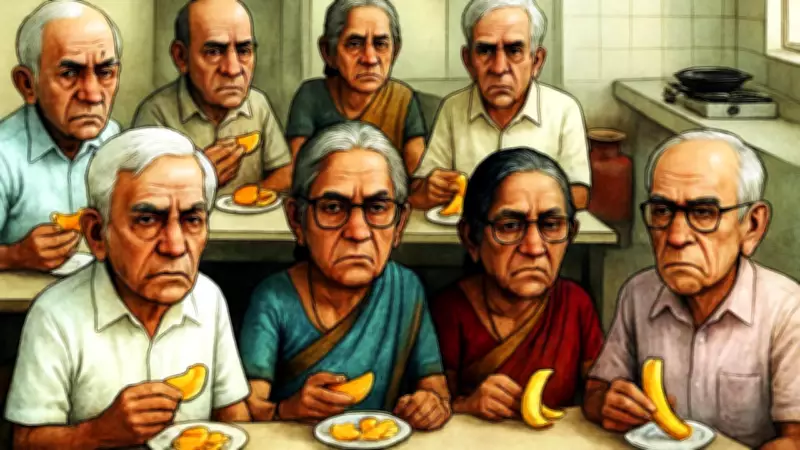
At an old age home in Asola Mehrauli, New Delhi, dinner is typically a quiet and reassuring routine for the inmates. Food is served promptly, medicines are distributed, and conversations gently wind down until bedtime. However, on Monday, this comforting rhythm was abruptly shattered when approximately 42 residents, all over 85 years old, were served only bread and fruit after the kitchen exhausted its cooking gas supply.
Alleged Black Marketing and Cylinder Shortage Highlighted
The disruption came to light through a post on X by the home's owner, Pravesh Jain, who pointed to an alleged shortage of LPG cylinders that has left the facility waiting for delayed supplies. Jain wrote, "Agent doing black marketing and wants Rs 3,200 a cylinder. I have asked my manager to wait till tomorrow or else buy gas from the open market." This incident underscores the severe impact of supply chain issues on vulnerable populations.
Connection Category Confusion Exacerbates Problem
A representative from one of the LPG suppliers explained to TOI that the old age home has been using domestic cylinders since its inception. "Jain should have applied for a connection under the institutional (exempted) category, which covers old age homes and other non-profit institutions, and is not subject to the 25-day booking rule currently in place for domestic connections," he stated. He added that the home's connection lists a household address rather than an institutional one, emphasizing, "We always ask people running such facilities to be aware of the categories while applying for gas connections."

Jain countered this by noting that the home received cylinders from companies on March 3 and March 11, but the 25-day rule has since directly affected them. "We have relied on domestic cylinders for 26 years without facing any issues, and no one earlier clarified under which category to apply," he told TOI. This long-standing reliance on domestic connections has now led to operational hurdles.
Public Response and Potential Solutions Emerge
In a subsequent post, Jain mentioned receiving a call from a company official who suggested registering the connection under the exempted list for trusts. "He was polite and willing to help, but if no other option remains, we may be forced to buy cylinders from the open market," Jain wrote. His posts sparked immediate public concern, with one user offering to arrange a cylinder and another suggesting assistance with a PNG connection.
Home's Mission and Challenges Amplified
Jain highlighted that the facility, which operates without accepting private donations, gifts, or government aid, supports elderly individuals who have nowhere else to go. "Many of our inmates have been abandoned, some have lost their partners and others have children living abroad. We provide them with everything free of cost — from meals to medical care and clothing. That's what makes the delay in getting LPG cylinders so difficult to bear," he explained. This incident not only disrupts daily life but also threatens the home's ability to maintain its compassionate services.
The LPG supplier representative further clarified the categorization system, noting that connections typically fall under three heads: domestic, commercial (for hotels and retail outlets), and institutional. This bureaucratic nuance has become a critical point of contention, affecting essential services for the elderly.
As the old age home navigates this crisis, the broader implications for non-profit institutions relying on domestic gas connections come into focus, urging a reevaluation of supply protocols and category awareness to prevent future disruptions.