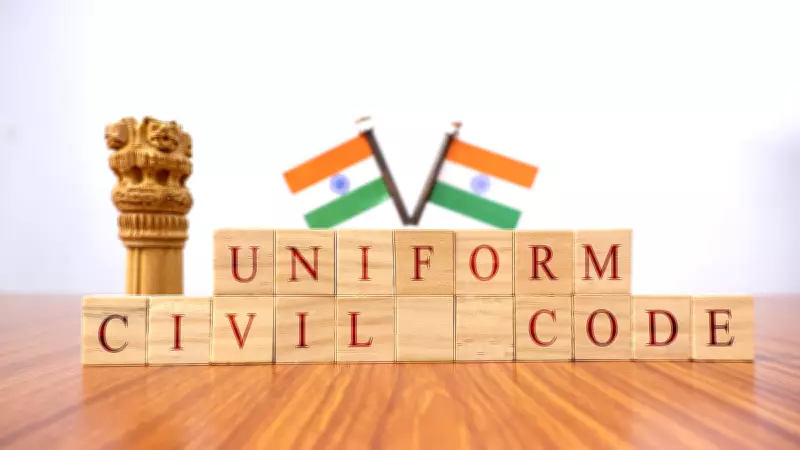
Maharashtra Chief Minister Devendra Fadnavis has announced the formation of a seven-member committee to prepare a draft for the implementation of the Uniform Civil Code (UCC) in the state. The panel will be tasked with drafting a law that seeks to replace personal laws based on religious scriptures with a common set of rules governing marriage, divorce, inheritance, and adoption for all citizens, regardless of religion.
Committee Composition and Mandate
The committee comprises legal experts, retired judges, and senior bureaucrats, according to a government statement. Fadnavis said the panel will consult various stakeholders, including religious leaders, civil society groups, and legal scholars, before submitting its report within six months. The draft law is expected to align with the central government's push for a UCC, which has been a long-standing promise of the ruling Bharatiya Janata Party.
Political and Social Implications
Fadnavis stated that the UCC would ensure gender justice and national integration. He said, 'The Uniform Civil Code will bring equality and justice to all citizens, especially women, who often suffer under discriminatory personal laws.' However, the move has drawn criticism from opposition parties and minority groups, who argue that it infringes on religious freedom and cultural diversity. The Maharashtra government has assured that the draft will be based on extensive consultations to address these concerns.

Background and Context
The Uniform Civil Code is mentioned in Article 44 of the Indian Constitution as a directive principle of state policy, urging the government to secure a uniform civil code for all citizens. While several states have initiated discussions, Uttarakhand became the first state to pass a UCC bill in May 2026. Maharashtra's decision follows similar announcements by other BJP-ruled states, indicating a coordinated push by the party ahead of the 2027 state elections.
Next Steps and Timeline
The committee is expected to hold its first meeting within two weeks. It will examine existing personal laws and propose a framework that balances uniformity with constitutional safeguards. The draft law will then be tabled in the Maharashtra Legislative Assembly for debate and approval. Fadnavis emphasized that the government is committed to a transparent and inclusive process.