

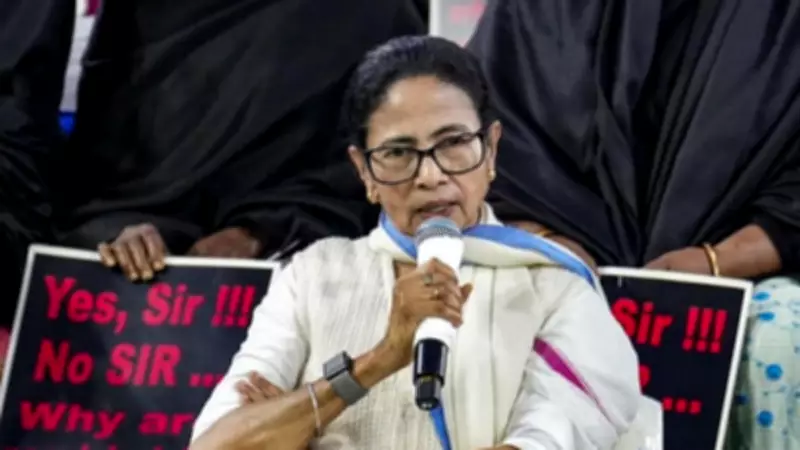
Mamata Banerjee Alleges Election Commission Bias Against West Bengal in Supreme Court Petition
West Bengal Chief Minister Mamata Banerjee has made serious allegations against the Election Commission of India, claiming the constitutional body is specifically targeting her state through its administrative actions. The political leader has approached the Supreme Court of India with a writ petition containing these explosive accusations that could have significant implications for electoral processes in the eastern state.
Legal Challenge Against Electoral Roll Revision
In her detailed petition filed before the apex court, Mamata Banerjee has specifically sought judicial intervention to quash and nullify two crucial orders issued by the Election Commission. These administrative directives pertain to what has been termed as Special Intensive Revision of the electoral rolls in West Bengal.
The contested orders were scheduled for implementation on two specific dates in 2025:

- June 24, 2025: The first phase of the special revision process
- October 27, 2025: The second phase of the intensive electoral roll revision
Political Implications and Constitutional Concerns
The Chief Minister's legal move comes at a politically sensitive time and raises fundamental questions about electoral integrity and constitutional propriety. By alleging that the Election Commission is specifically targeting West Bengal, Mamata Banerjee has essentially questioned the neutrality and impartiality of the institution responsible for conducting free and fair elections across India.
This development represents a significant escalation in the ongoing tensions between the West Bengal government and central electoral authorities. The petition before the Supreme Court seeks not just legal remedy but also makes a political statement about perceived biases in electoral administration.
Broader Context of Electoral Administration
Special Intensive Revision of electoral rolls is typically conducted to ensure accuracy and completeness of voter lists, eliminating duplicate entries and including eligible voters who may have been missed in regular revisions. However, the West Bengal Chief Minister's petition suggests that in this particular case, the process might be serving purposes beyond mere administrative cleanup.
The Supreme Court's response to this petition will be closely watched by political observers, constitutional experts, and electoral authorities across the country. The case could potentially set important precedents regarding the relationship between state governments and constitutional bodies like the Election Commission.
As the legal proceedings unfold, all eyes will be on how the Supreme Court addresses these serious allegations of institutional bias in electoral processes, particularly in a politically significant state like West Bengal that has witnessed intense electoral competition in recent years.






