

Mamata Banerjee Lambasts Union Budget 2026-27 as Directionless and Visionless
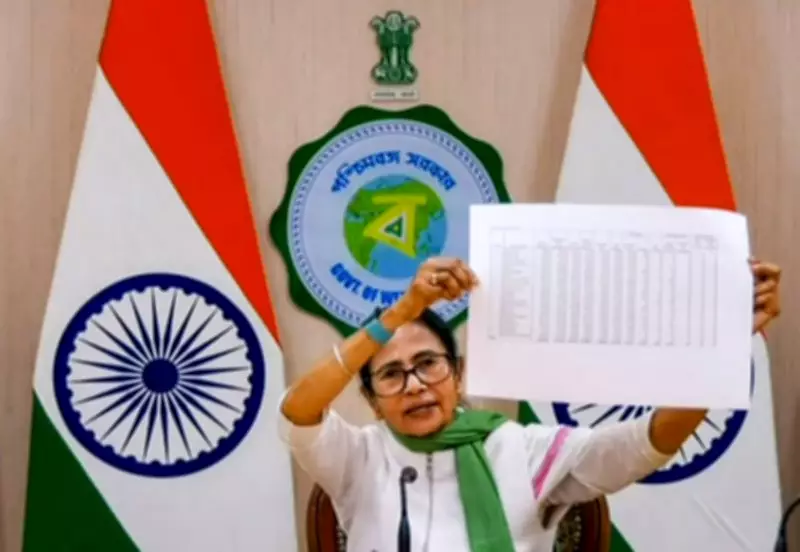
West Bengal Chief Minister Mamata Banerjee has launched a scathing attack on the Union Budget for the fiscal year 2026-27, denouncing it as a directionless and visionless document that offers nothing substantial for her state. In a sharp critique, she highlighted the budget's failure to address the specific needs and developmental aspirations of Bengal, raising concerns over its broader implications for regional equity and growth.
Key Criticisms and Disappointments
Banerjee expressed deep disappointment over the lack of state-specific allocations in the budget, arguing that it neglects Bengal's unique challenges and opportunities. She pointed out that the budget does not include targeted schemes or financial support for key sectors in the state, such as:
- Infrastructure development projects
- Agricultural and rural welfare initiatives
- Employment generation programs
- Healthcare and education enhancements
This omission, according to her, reflects a broader disconnect between the central government's policies and the ground realities in states like West Bengal.

Broader Implications for Federalism and Development
The Chief Minister's criticism extends beyond mere budgetary allocations to touch on issues of federalism and balanced regional development. She emphasized that a one-size-fits-all approach in national budgets can undermine the cooperative federal structure, where states require tailored support to thrive. Banerjee warned that such oversight could exacerbate regional disparities and hinder India's overall progress towards inclusive growth.
Her remarks come at a time when states are increasingly vocal about their fiscal autonomy and the need for greater decentralization in financial planning. The budget's perceived shortcomings have sparked debates on how to better align national economic strategies with local priorities.
Political and Economic Context
This criticism is set against the backdrop of ongoing political tensions between the central government and opposition-ruled states. Banerjee's comments are seen as part of a larger narrative where regional leaders challenge the efficacy and fairness of Union budgets. Economically, the budget's impact on Bengal is crucial, given the state's significant contributions to sectors like agriculture, manufacturing, and services.
Analysts suggest that such critiques could influence future budgetary processes, pushing for more consultative and state-inclusive frameworks. The response from the central government and other stakeholders will be closely watched in the coming days.






