Mamata Banerjee Condemns Election Commission's Voter List Purge as Discriminatory
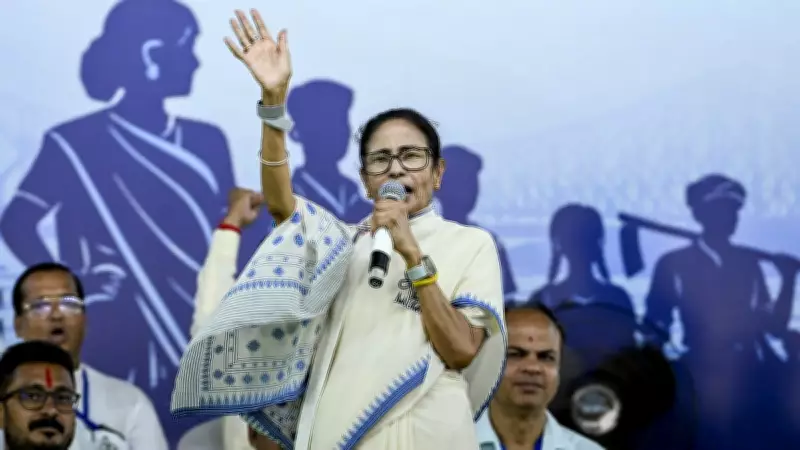
West Bengal Chief Minister Mamata Banerjee has launched a scathing attack on the Election Commission of India, accusing it of unfairly targeting Muslim and Hindu Matua voters during a special intensive revision of electoral rolls. In a strongly worded statement, she likened the process to "picking lice" and criticized it as discriminatory against these communities.
Significant Muslim Electorate in West Bengal
The controversy centers on data showing that Muslims constitute over 50 percent of the electorate in at least 45 of the 294 assembly constituencies in West Bengal. This demographic reality has made the voter list revision a politically sensitive issue ahead of the anticipated West Bengal Assembly Elections in 2026.
Banerjee, who leads the Trinamool Congress party, argued that the Election Commission's actions appear designed to reduce the voting strength of these key communities. She emphasized that such measures undermine democratic principles and could disenfranchise legitimate voters.

Concerns Over Hindu Matua Community
In addition to Muslim voters, Banerjee highlighted concerns about the Hindu Matua community, a significant demographic group in the state with substantial political influence. She alleged that the special intensive revision disproportionately affects both Muslims and Matuas, suggesting a pattern of bias in the electoral process.
The Chief Minister's criticism comes amid ongoing political tensions in West Bengal, where voter demographics play a crucial role in election outcomes. Her remarks reflect broader anxieties about electoral integrity and representation in the state.
Election Commission's Role Under Scrutiny
The Election Commission has not yet issued an official response to Banerjee's allegations. However, the special intensive revision is part of standard procedures to update voter lists and remove duplicate or ineligible entries. Critics argue that the timing and implementation raise questions about potential political motivations.
Banerjee's statement underscores the high stakes involved in voter list management, particularly in a state with diverse and politically active communities. As the 2026 elections approach, such controversies are likely to intensify debates over fairness and transparency in the electoral system.