Mamata Banerjee Alleges Targeted Voter Exclusion in West Bengal
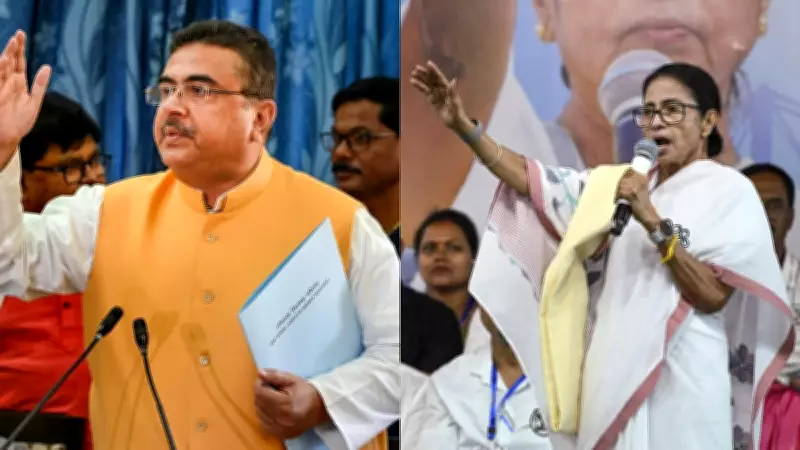
West Bengal Chief Minister and Trinamool Congress (TMC) supremo Mamata Banerjee has made serious allegations regarding the electoral process in the state. She claims that specific communities are being deliberately targeted for exclusion from voter lists ahead of the crucial 2026 Assembly Elections. This accusation has ignited a fresh political firestorm in the already charged atmosphere of Bengal politics.
Suvendu Adhikari's Counter-Allegation: 'Dead Voters'
In a sharp rebuttal, Leader of the Opposition and Bharatiya Janata Party (BJP) leader Suvendu Adhikari has dismissed Mamata's claims. He asserts that the TMC chief is raising objections to divert attention from what he describes as the presence of 'dead voters' on electoral rolls in constituencies dominated by her party. This exchange highlights the intense scrutiny and accusations flying between the two major political forces in the state.
Muslim Electorate: A Significant Demographic Factor
Adding a critical dimension to this controversy are the demographic statistics. According to recent analyses, Muslim voters constitute over 50% of the electorate in at least 45 out of the 294 assembly constituencies in West Bengal. This substantial presence makes the community a pivotal voting bloc that can significantly influence election outcomes in these key seats.

The concentration of Muslim voters in these constituencies underscores their importance in the state's political calculus. Political observers note that any perceived manipulation or exclusion in voter lists could have far-reaching consequences, potentially altering the electoral balance in these sensitive areas.
Political Implications and Electoral Strategy
The timing of these allegations is crucial, coming as it does in the lead-up to the 2026 polls. Mamata Banerjee's TMC has traditionally enjoyed strong support from minority communities, including Muslims. Her allegation of targeted exclusion is seen by many as an attempt to rally this base and highlight perceived injustices.
On the other hand, Suvendu Adhikari's focus on 'dead voters' aims to question the integrity of the electoral process in TMC strongholds. This tactic is part of the BJP's broader strategy to challenge the incumbent government's legitimacy and gain ground in the state.
Both parties are leveraging these issues to mobilize their supporters and shape public perception. The controversy also puts the Election Commission of India under pressure to ensure a free and fair electoral process, with all stakeholders demanding transparency and accountability.
Historical Context and Ongoing Tensions
West Bengal has a history of heated electoral battles and allegations of voter manipulation. The state's complex social fabric, with its diverse communities and political allegiances, often becomes a flashpoint during elections. The current exchange between Mamata and Suvendu is reminiscent of past conflicts, yet it gains new urgency given the high stakes of the upcoming assembly elections.
As the political temperature rises, analysts are closely watching how these allegations will impact voter sentiment and campaign strategies. The focus on voter demographics and list integrity suggests that the battle for West Bengal will be fought not just on the streets but also in the meticulous details of electoral rolls.
The coming months are likely to see intensified debates, legal challenges, and possibly even interventions by electoral authorities to address these contentious issues. For now, the war of words between Mamata Banerjee and Suvendu Adhikari sets the tone for what promises to be a fiercely contested election in 2026.