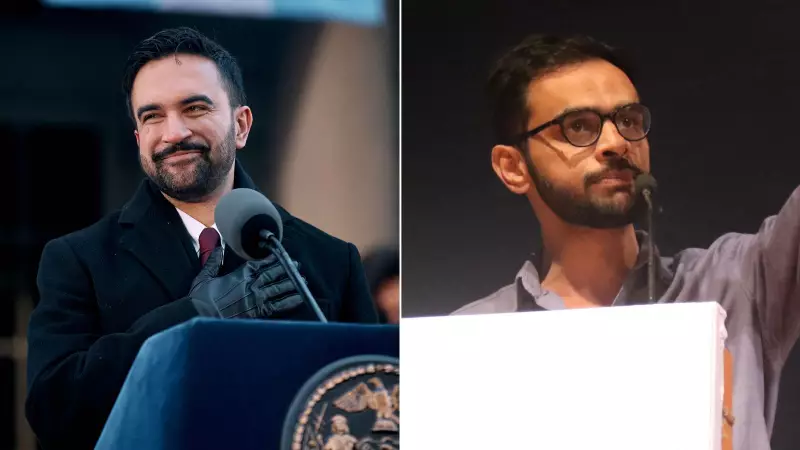
In an era dominated by digital noise, a simple, handwritten note from a world leader to a prisoner has resonated with profound human significance. New York City Mayor Zohran Mamdani penned a personal letter to Umar Khalid, an Indian student activist and undertrial prisoner who has been incarcerated since 2020 under the stringent Unlawful Activities (Prevention) Act (UAPA) in connection with the Delhi riots case.
The Weight of a Few Lines
The note, shared publicly by Khalid's partner, Banojyotsna Lahiri, on the day of Mamdani's swearing-in as mayor, was brief and unadorned. "Dear Umar," it began, "I think of your words on bitterness often, and the importance of not letting it consume one's self." It concluded with the simple yet powerful affirmation: "We are all thinking of you." This was not a political manifesto or a statement of legal opinion. Instead, it stood out as a rare, poignant human gesture from a person in a position of power to someone enduring prolonged isolation.
Umar Khalid has spent over five years in prison awaiting trial. His only temporary release was a brief interim bail in December, granted for his sister's wedding, during which he remained at home under strict conditions before returning to jail. The context makes Mamdani's act of reaching out—acknowledging Khalid's inner struggle and his own words—particularly significant.

What a Letter Cannot Do, and What It Can
A handwritten letter will not unlock prison cells or expedite a slow-moving judicial process. It is no substitute for legal recourse or a fair trial. However, it accomplishes something beyond the reach of any court order. It affirms the inherent dignity of the individual. It builds a bridge across prison bars, sending a clear message: you are not forgotten; you are not merely a case number or a set of charges.
History offers powerful parallels. During his 27-year imprisonment, Nelson Mandela drew strength from letters that proved the world remembered him. India's first Prime Minister, Jawaharlal Nehru, wrote "Letters from a Father to His Daughter" from prison, sustaining intellectual and emotional life despite physical confinement. These were acts of moral resistance, and Mamdani's note fits within this tradition.
Solidarity Beyond Agreement
The power of Mamdani's message lies in its tone and content. It offers no promises or grand assurances. Instead, it reflects Khalid's own philosophy back to him, demonstrating recognition and solidarity "from beside," not advice "from above." This restores a sense of equality between the free and the confined, a connection that is both rare and precious.
Leaders are often counseled to avoid controversial associations. Yet, history remembers those who chose empathy over political convenience. When authority acknowledges the humanity of someone suffering, it declares that power need not be indifferent to pain. This gesture underscores that long-term incarceration is not just a legal issue but a deeply human crisis, where hope must be consciously nurtured.
In a climate where political disagreement often descends into dehumanization, such a personal act becomes a quiet form of resistance. It reaffirms core truths: compassion is not weakness, solidarity does not demand full agreement, and human dignity cannot be contingent on a legal verdict.
While Mamdani's letter will not change laws or hasten court dates, it may help one person endure with slightly more strength. It reminds society that even when we cannot secure someone's freedom, we can steadfastly refuse to forget them. Sometimes, that refusal is everything.