Maoist Cadres Announce Intent to Surrender in Chhattisgarh, Seek Government Assurances
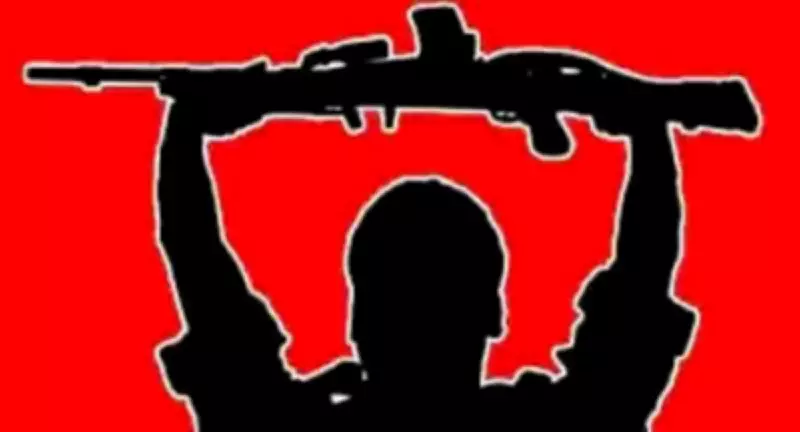
In a significant development in the fight against left-wing extremism, fifteen armed cadres of the CPI (Maoist) from the Balangir–Bargarh–Mahasamund division (BBM) have expressed their desire to surrender and rejoin the mainstream. The group communicated this intention through a detailed four-page letter addressed to Chhattisgarh Home Minister Vijay Sharma, outlining their conditions and concerns.
Details of the Surrender Plan and Demands
The letter, signed by an individual identifying himself as "Vikas," who claims to be the western sub-zonal bureau secretary linked to the Odisha state committee, reveals that the group includes fourteen cadres from Chhattisgarh and one from Telangana. Currently located in Odisha, they have chosen Mahasamund district in Chhattisgarh for their surrender, citing that most members are "Bastar comrades."
The cadres have requested a public assurance of safety via radio broadcast, stating they will only emerge after hearing the government's promise. They have indicated a tentative timeline of March 2–3 to surface, pending internal coordination and the finalization of a "receiving plan" through a former Maoist named Sagar by March 1.

In response, Home Minister Vijay Sharma stated, "One division of Maoists has written a letter expressing their wish to join the mainstream. We are releasing the reply today and will try to contact them. We will ensure their security, health, and facilities, and strive for their complete rehabilitation, both physically and mentally."
Broader Political Demands and Conditions
The letter goes beyond immediate surrender logistics to propose a radical shift in policy aimed at encouraging more cadres to lay down arms. It suggests that if the Maoist party abandons armed struggle and expresses faith in the Indian Constitution, it should be granted recognition as a political party.
The document further demands:
- Withdrawal of all police cases against Maoists.
- Release of Maoist cadres currently imprisoned.
- Permission for the group to work openly within the constitutional framework.
"If the government announces these three points, even those in jail will give up the idea of armed struggle. This is our belief," the letter asserts, positioning these measures as a way to attract remaining cadres to surrender.
Operational Concerns and Government Response
Expressing apprehension about their safety, the cadres have asked authorities to halt combing operations and reduce "pressure" on villagers. They warn that sightings of police movement could scatter the group, making regrouping difficult and jeopardizing the surrender process.
This development follows recent statements by Home Minister Sharma, who told reporters in Raipur that "those who chose violence for decades are now returning to the mainstream." He described recent surrenders of top Maoist leaders in Telangana as a significant blow to the insurgent movement.
Sharma reiterated the commitment of both the central and state governments to the goal of making Chhattisgarh Naxal-free by March 31. He highlighted operational successes, noting that security forces recovered and destroyed 89 explosive devices during a special operation in the challenging terrain of the Karregutta hills.
Assessment and Ongoing Efforts
Officials are currently assessing the authenticity of the letter and the feasibility of the proposed "safe corridor" demands. The government continues to balance intensified security operations in remaining Maoist pockets with robust surrender-and-rehabilitation messaging, aiming to dismantle the insurgent network through a combination of force and persuasion.
This potential surrender represents a critical moment in Chhattisgarh's long-standing efforts to address left-wing extremism, blending immediate tactical gains with broader strategic questions about political integration and reconciliation.