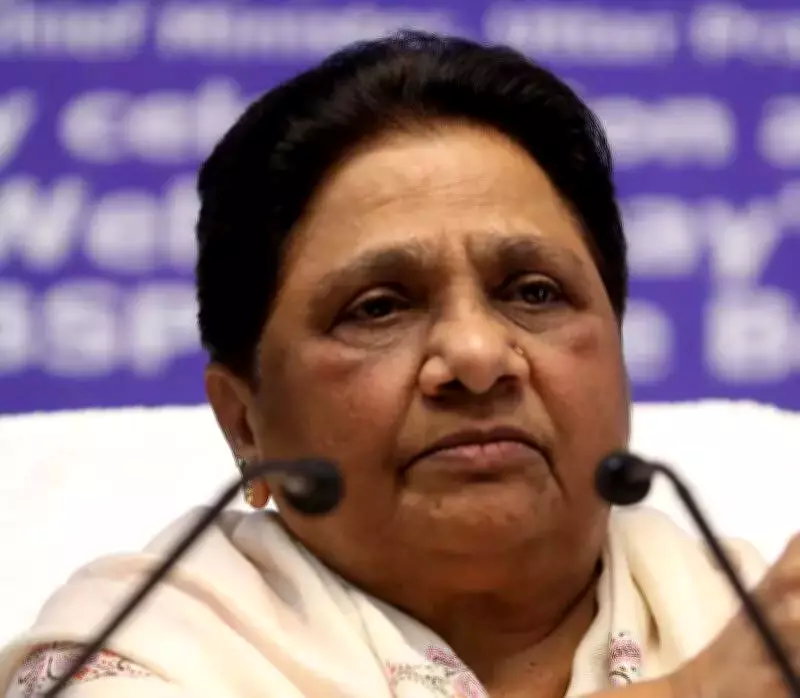
Mayawati Applauds Supreme Court Decision to Stay UGC's New Anti-Caste Rules
In a significant development from Lucknow, Bahujan Samaj Party (BSP) national president Mayawati expressed strong support for the Supreme Court's recent order to stay the new University Grants Commission (UGC) regulations aimed at preventing casteist incidents in educational institutions across India.
Social Tension Concerns Raised by BSP Leader
Through a detailed post on social media platform X, Mayawati articulated her position that the newly implemented UGC rules, while intended to address caste discrimination in both government and private universities, had inadvertently fostered an atmosphere of social tension throughout the country.
"Keeping in view such current circumstances, the decision today by the Supreme Court to stay the UGC's new rules is appropriate," Mayawati stated emphatically in her online communication.

Call for Broader Consultation and Natural Justice
The veteran political leader further elaborated that the contentious situation could have been entirely avoided if the UGC had adopted a more inclusive approach during the rule-making process. Mayawati emphasized the importance of comprehensive consultation with all stakeholders before implementing such sensitive regulations.
"The atmosphere of social tension in this matter would not have risen in the country at all if the UGC took all parties into confidence before implementing the new rules and also gave appropriate representation to the upper-caste society in the investigation committee, etc, under the principles of natural justice," she added in her social media post.
Broader Implications for Educational Policy
This development highlights several critical aspects of India's ongoing efforts to address caste-based discrimination in higher education:
- The delicate balance between implementing anti-discrimination measures and maintaining social harmony
- The importance of stakeholder consultation in policy formulation affecting sensitive social issues
- The role of judicial intervention in reviewing educational regulations
- The ongoing political discourse surrounding caste representation and justice mechanisms
Mayawati's statement represents a significant political perspective on how anti-caste regulations should be formulated and implemented, emphasizing procedural fairness and broad-based consensus as essential components of any policy addressing such deeply rooted social issues in Indian educational institutions.