Mehbooba Mufti Challenges Javed Akhtar's View on A.R. Rahman's Concerns
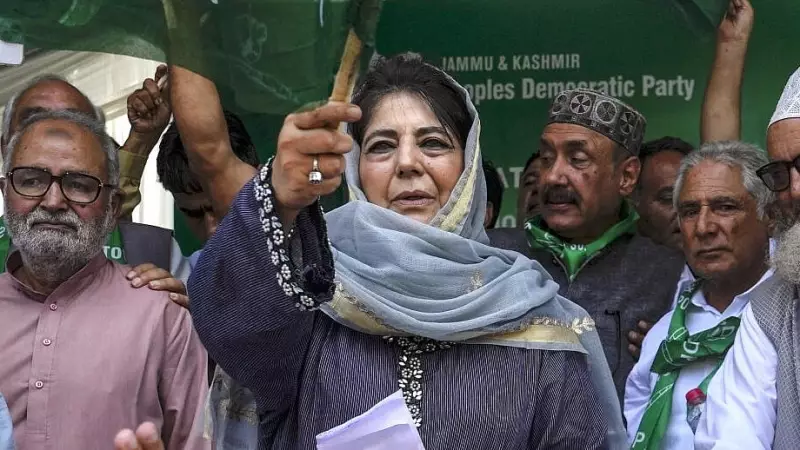
Mehbooba Mufti, the former Chief Minister of Jammu and Kashmir, has strongly disagreed with remarks made by veteran lyricist Javed Akhtar. Akhtar recently commented on concerns expressed by music composer A.R. Rahman regarding the situation of Muslims in India. Mufti stated that Akhtar's perspective does not align with the actual experiences of the Muslim community in the country.
Context of the Disagreement
The controversy stems from A.R. Rahman's public expression of worry about the conditions faced by Muslims in India. Javed Akhtar responded to these concerns, suggesting they might not fully capture the reality on the ground. In a sharp rebuttal, Mehbooba Mufti emphasized that Akhtar's assessment is out of touch with the genuine issues confronting Muslims today.
Mufti highlighted that many Muslims across India, including in Jammu and Kashmir, feel a sense of insecurity and marginalization. She argued that Rahman's concerns are valid and reflect broader anxieties within the community. According to her, dismissing these worries overlooks the daily challenges Muslims encounter in various spheres of life.

Political and Social Implications
This exchange has sparked a wider debate about the representation of Muslim voices in India. Mehbooba Mufti, a prominent political figure from Jammu and Kashmir, used this opportunity to draw attention to the specific struggles of Muslims in the region. She pointed out that issues such as discrimination and lack of opportunities are prevalent and need urgent addressing.
Mufti's comments come at a time when discussions about minority rights and social harmony are increasingly prominent in national discourse. By challenging Akhtar's remarks, she aims to amplify the concerns raised by Rahman and others who feel their voices are being sidelined.
Reactions and Broader Impact
The public reaction to this disagreement has been mixed, with some supporting Mufti's stance and others backing Akhtar's viewpoint. Observers note that such debates often highlight the diverse perspectives within India's Muslim community and the broader society.
Mehbooba Mufti's intervention is seen as part of her ongoing efforts to advocate for the rights and welfare of Muslims in Jammu and Kashmir and beyond. She stressed the importance of listening to grassroots voices rather than relying on detached analyses from public figures.
In conclusion, this episode underscores the ongoing tensions and discussions surrounding the status of Muslims in India. It serves as a reminder of the need for empathetic and informed dialogue to address the real issues affecting minority communities.