

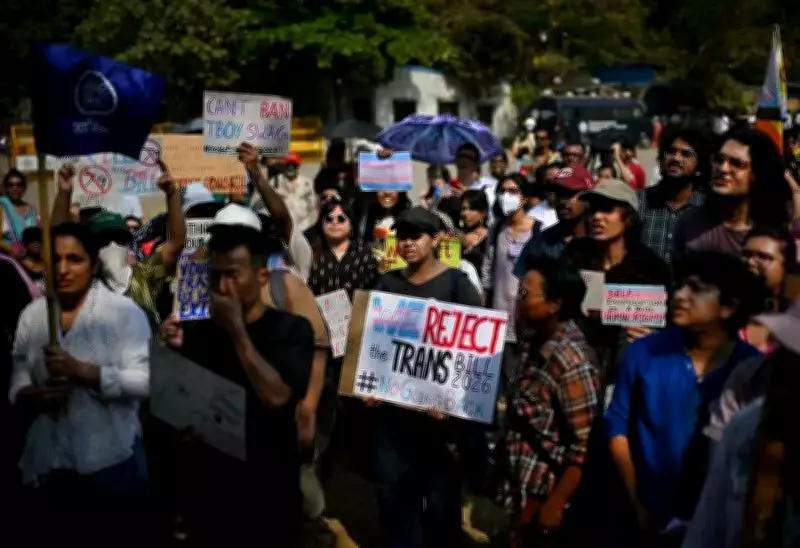
Mumbai's Queer Community Rallies Against Transgender Bill Amendments
In a significant demonstration of dissent, queer communities and their allies assembled at Azad Maidan in Mumbai on Wednesday afternoon to voice strong opposition to the Transgender Persons Amendment Bill. The protestors labeled the legislation as a retrogressive step that undermines the rights and identities of transgender individuals.
Bill Passes Parliament Amidst Controversy
Both Houses of Parliament have recently passed the bill, which amends the Transgender Persons (Protection of Rights) Act of 2019. According to Yadnya, a transgender woman, the revised bill effectively "erases" their existence by narrowing the definition of transgender. The amendment now specifies that only individuals such as kinner, hijra, aravani, jogta, or those with variations in sexual characteristics at birth will be recognized as transgender.
Key Changes and Criticisms
The amended legislation removes provisions for self-perceived gender identities and introduces severe penalties. It criminalizes forcing someone to present as a transgender person, with imprisonment ranging from five to ten years. Advocate Lara Jesani criticized this approach, stating, "The bill is trying to deter people from their trans identity by bringing in criminal provisions. It appears deterring is more important than criminalising violence against the trans community."

Parental and Professional Concerns
Meghna, a 53-year-old mother of two self-identified transgender and non-binary children, expressed deep concern over the bill's regressive nature. "As a parent, I am an ally to my children. If the bill comes into force, who knows, one day, they might arrest me for supporting my children. This is the worst part of the amendment," she said.
Health professionals also joined the chorus of opposition, highlighting the distinction between sex and gender. Psychiatrist Dr. Armaan Pandey emphasized that being transgender involves a mismatch between assigned sex and perceived gender, which is not quantifiable. Arijit, a 37-year-old transgender man and mental health professional, shared his personal struggle, noting it took years to come out, and now, under the amendment, "we do not exist anymore."
Mental Health Implications
Arijit further warned that the bill's provisions could severely impact the mental health of transgender individuals. "Studies have shown that gender-affirming care reduces suicides and improves the basic quality of life," he explained. For the queer community, this becomes a critical survival issue. Arijit posed a poignant question: "Now, if I don't exist, and the police do not protect me, and I do not have any rights, what happens? What should I do?"
The protest at Azad Maidan underscores the growing anxiety and resistance among Mumbai's queer population, as they fear the bill could strip away hard-won rights and recognition, pushing them further into the margins of society.






