

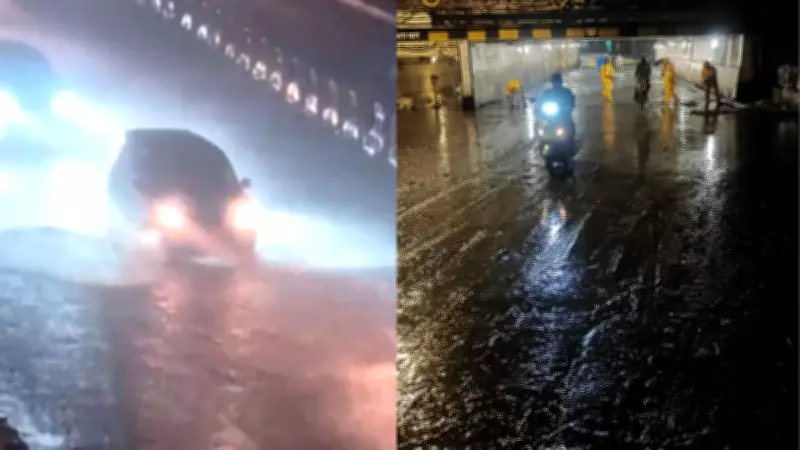
Mumbai woke up to waterlogged streets on June 24, 2026, after an intense overnight downpour drenched the city, causing significant disruption in several low-lying areas. The India Meteorological Department (IMD) recorded 200 mm of rainfall in the 24 hours ending at 8 a.m., with the heaviest intensity between 2 a.m. and 5 a.m.
Areas Affected and Impact on Commuters
Low-lying neighborhoods such as Dadar, Matunga, Sion, and Kurla reported knee-deep water on major roads, leading to traffic snarls and delays for commuters. The Brihanmumbai Municipal Corporation (BMC) deployed pumps to drain water, but many roads remained impassable for hours. Local train services on the Central and Western lines experienced delays of up to 30 minutes due to waterlogging on tracks.
A BMC official stated, "Our teams are working round the clock to clear water from critical points. We urge residents to stay indoors unless absolutely necessary." The civic body also issued advisories for people living in vulnerable areas to move to safer locations.

Weather Forecast and Precautionary Measures
The IMD has predicted more heavy rainfall in the next 48 hours, with a possibility of thunderstorms. The city administration has kept disaster response teams on standby. Schools and colleges in affected areas announced a holiday as a precaution. The Mumbai police advised commuters to avoid non-essential travel and use alternate routes.
This is not the first time Mumbai has faced such a situation; the city has a history of waterlogging during monsoon, but the intensity this year has been higher than usual. According to the IMD, the monsoon has been active over Maharashtra, with a low-pressure area over the Arabian Sea contributing to the heavy rainfall.
Rescue Operations and Citizen Response
Rescue teams from the National Disaster Response Force (NDRF) were deployed in the worst-hit areas, assisting residents in evacuating from flooded homes. Videos on social media showed people wading through waist-deep water, and some vehicles submerged on roads. The BMC has set up 24 helplines for emergencies.
Residents expressed frustration over the lack of preparedness. A local resident from Matunga said, "Every year it is the same story. We have to suffer because of poor drainage. We hope the authorities take long-term measures." The BMC has assured that desilting works were completed before monsoon, but the sudden heavy rainfall overwhelmed the system.
Long-Term Solutions and Infrastructure Challenges
Mumbai's drainage system, which dates back to the British era, is often blamed for the recurring waterlogging. The BMC has been implementing the Mumbai Flood Mitigation Plan, which includes upgrading drains and increasing pumping capacity. However, experts say that more needs to be done, including better urban planning and stricter enforcement of construction norms in flood-prone areas.
As the city braces for more rain, authorities are urging citizens to remain vigilant and cooperate with disaster management teams. The next 48 hours will be critical as the IMD warns of continued heavy downpour.






