The Nepali Congress, Nepal's oldest and largest political party, has officially split into two factions. This formal division occurred on Wednesday after prolonged negotiations between rival groups within the party completely broke down.
Reform Talks End Without Agreement
Party leaders had been engaged in intense discussions for weeks, trying to find common ground on proposed reforms. These talks aimed to modernize the party's structure and approach. However, both sides ultimately failed to reach any meaningful agreement.
The negotiations collapsed over fundamental differences regarding how the party should evolve. This failure to compromise has now resulted in a clear organizational separation.

Thapa-Led Faction Announces New Direction
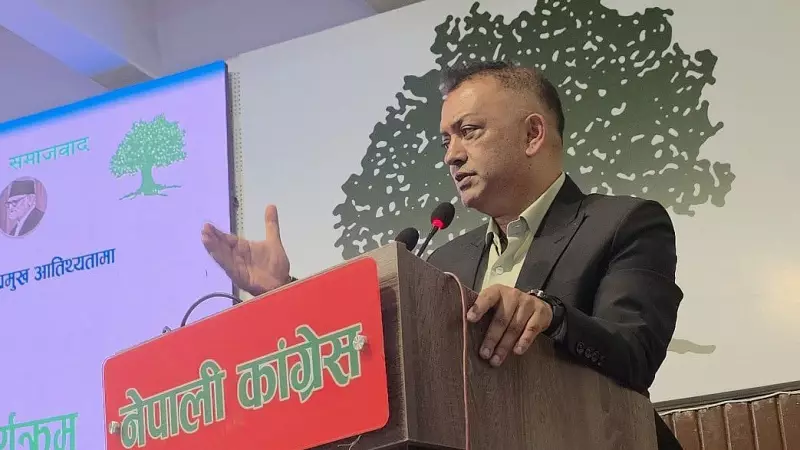
The breakaway faction is being led by prominent politician Gagan Thapa. This group has made several significant declarations about their future direction.
They have specifically vowed to prioritize the aspirations and concerns of Generation Z. This younger demographic represents a substantial portion of Nepal's population. The faction believes traditional political approaches have failed to address their needs adequately.
"We must listen to the voices of young Nepalis," a representative stated. "Their dreams and challenges deserve center stage in our political agenda."
Historical Significance of the Split
This division marks a historic moment for Nepali politics. The Nepali Congress has been a dominant force since the country's democratic movement began.
As the nation's oldest continuously operating political party, its internal unity had previously withstood numerous challenges. Wednesday's formal split therefore represents a major realignment within Nepal's political landscape.
Political analysts are already speculating about several potential consequences:
- Changed electoral dynamics in upcoming elections
- Possible realignment of political alliances
- Increased competition for youth voter support
- New policy directions emerging from both factions
Looking Forward
Both factions now face the practical challenges of operating as separate entities. They must establish distinct organizational structures and develop independent political strategies.
The Thapa-led group has emphasized their commitment to what they call "progressive politics." They plan to focus particularly on issues affecting younger citizens, including employment opportunities, educational reform, and digital infrastructure development.
The remaining faction continues to control the party's traditional organizational machinery. They have not yet detailed their specific plans moving forward, but are expected to maintain many existing party positions and alliances.
This development occurs at a crucial time for Nepal, as the country continues to navigate complex political and economic challenges. How this split affects governance and policy-making will become clearer in the coming months.