Anita Bose Pfaff Renews Call for Netaji's Ashes Repatriation from Japan
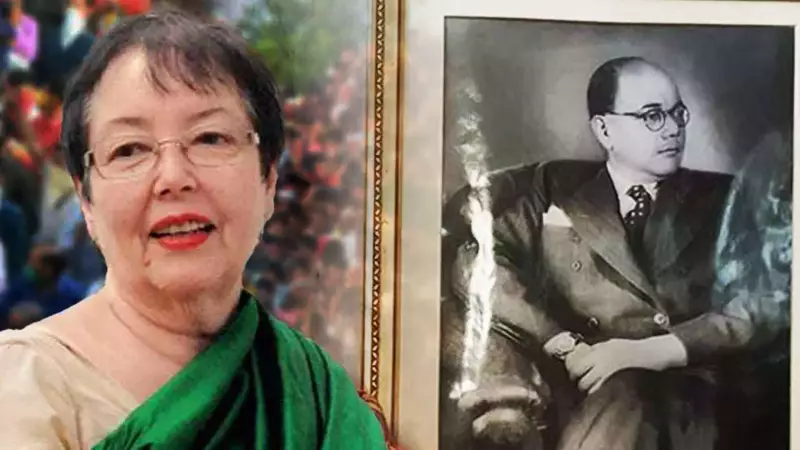
More than eight decades after his death, the final chapter of Netaji Subhas Chandra Bose's remarkable life remains unwritten. His daughter, Anita Bose Pfaff, has once again made a heartfelt appeal for the return of his ashes from Japan, where they have been preserved since 1945. This poignant request comes just ahead of his birth anniversary, reigniting a long-standing national conversation about legacy, memory, and India's duty toward one of its most revered freedom fighters.
A Daughter's Emotional Plea for Her Father's Homecoming
In her appeal, Anita Bose Pfaff emphasized the profound irony of her father's situation. Netaji, who endured exile, imprisonment, and the horrors of war in his relentless pursuit of India's independence, continues to remain separated from his homeland even in death. She expressed that this separation would have caused him immense anguish, given his lifelong dedication to the nation.
"He sacrificed everything for India's freedom, yet his final resting place is thousands of miles away," Pfaff noted, calling upon all Indians who hold Netaji in high esteem to support this cause. Her appeal is not just about physical remains; it symbolizes a quest for closure and a proper farewell for a leader whose contributions shaped modern India.

The Historical Context and Ongoing Debate
The ashes of Netaji Subhas Chandra Bose have been housed in Japan's Renkoji Temple in Tokyo since his tragic death in a plane crash in 1945. Over the years, this has sparked numerous debates and discussions within India regarding their repatriation. Supporters argue that bringing back the ashes would honor his legacy and provide a sense of completion to his extraordinary journey.
However, the issue is layered with complexities, including diplomatic considerations, historical interpretations, and emotional sentiments. Pfaff's latest appeal adds renewed urgency to this discourse, highlighting how the passage of time has only deepened the longing for his symbolic return.
Why This Appeal Matters Now
Anita Bose Pfaff's call comes at a time when India is increasingly reflecting on its freedom struggle and the heroes who made independence possible. The appeal serves as a reminder of Netaji's unwavering commitment and the personal sacrifices he made. It also raises important questions about how nations preserve the memories of their icons and ensure their legacies are honored appropriately.
As the birth anniversary of Netaji approaches, this issue gains prominence, encouraging public dialogue and potentially influencing policy decisions. The repatriation of his ashes could represent a significant moment of national reconciliation and tribute.
The Path Forward: A Collective Responsibility
Pfaff's appeal underscores that the responsibility to bring Netaji home extends beyond governmental action to include every citizen who values his contributions. It calls for a unified effort to ensure that one of India's greatest freedom fighters receives the dignified farewell he deserves.
This renewed push for repatriation may inspire broader discussions on how India honors its historical figures and addresses unresolved chapters of its past. Whether through diplomatic channels or public advocacy, the goal remains clear: to complete Netaji's final journey and allow him to rest in the land he fought so fiercely to liberate.