Netaji's Daughter Renews Push for Bringing His Remains Back to India from Japan
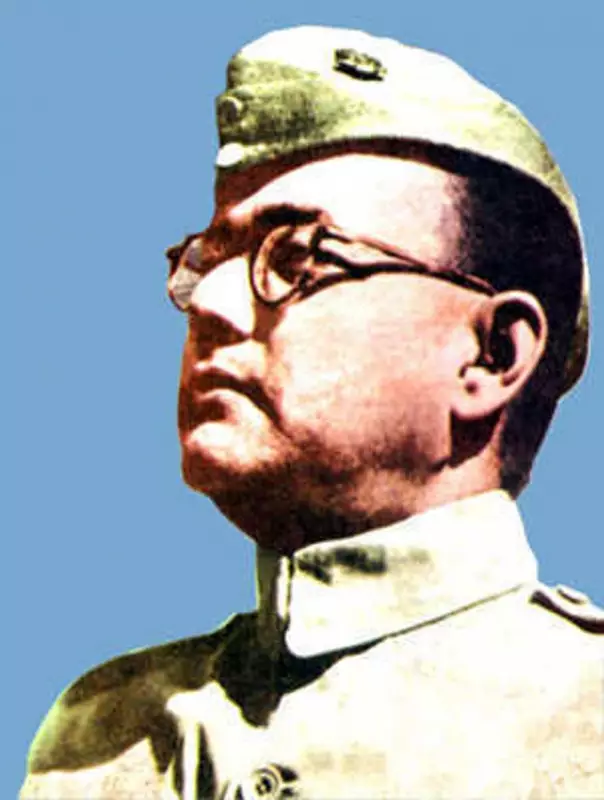
In a significant development that has reignited discussions about one of India's most revered freedom fighters, Anita Bose Pfaff, the daughter of Netaji Subhas Chandra Bose, has renewed her appeal to the Indian government. She is urging authorities to bring her father's remains from Japan to India for a proper memorial and final resting place. This move aims to provide historical closure and honor Netaji's immense contributions to India's independence struggle.
Historical Context and Ongoing Efforts
Netaji Subhas Chandra Bose, a key figure in India's fight for freedom, died in a plane crash in Taiwan in 1945, though his remains were later interred at the Renkoji Temple in Tokyo, Japan. For decades, there have been calls from various quarters, including family members, historians, and political leaders, to repatriate his ashes to India. Anita Bose Pfaff, who resides in Germany, has been at the forefront of this campaign, emphasizing the need for a dignified memorial on Indian soil.
Her recent push comes amid renewed public and governmental interest in Netaji's legacy, with several initiatives launched to commemorate his life and work. She argues that bringing back his remains would not only fulfill a long-standing emotional and cultural desire but also serve as a symbol of national unity and respect for India's freedom fighters.

Challenges and Government Response
The process of repatriating Netaji's remains involves complex diplomatic, legal, and logistical challenges. Japan has maintained the ashes at Renkoji Temple under specific agreements, and any transfer would require careful negotiation between the Indian and Japanese governments. Additionally, there are ongoing debates about the authenticity of the remains, though most historical accounts support their identification.
In response to Anita Bose Pfaff's appeal, Indian authorities have acknowledged the sentiment but have not yet committed to a timeline or specific action. Government officials have stated that they are considering the matter seriously, taking into account historical sensitivities and the need for proper protocols. This cautious approach reflects the broader complexities surrounding Netaji's legacy and the diverse opinions within India about how best to honor him.
Implications for National Memory and Future Steps
If successful, the repatriation of Netaji's remains could have profound implications for India's national memory and historical narrative. It would likely lead to the establishment of a dedicated memorial site, potentially attracting visitors and scholars from across the country and the world. Such a move could also inspire further research and education about Netaji's role in India's independence, ensuring that future generations remember his sacrifices.
Anita Bose Pfaff has called for bipartisan support and public awareness to advance this cause, highlighting that it transcends political divisions. She plans to continue her advocacy through dialogues with government representatives and public engagements, hoping to build momentum for a resolution in the coming years. As discussions evolve, this issue remains a poignant reminder of India's rich freedom struggle and the ongoing efforts to preserve its heroes' legacies.