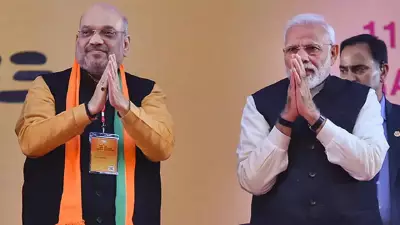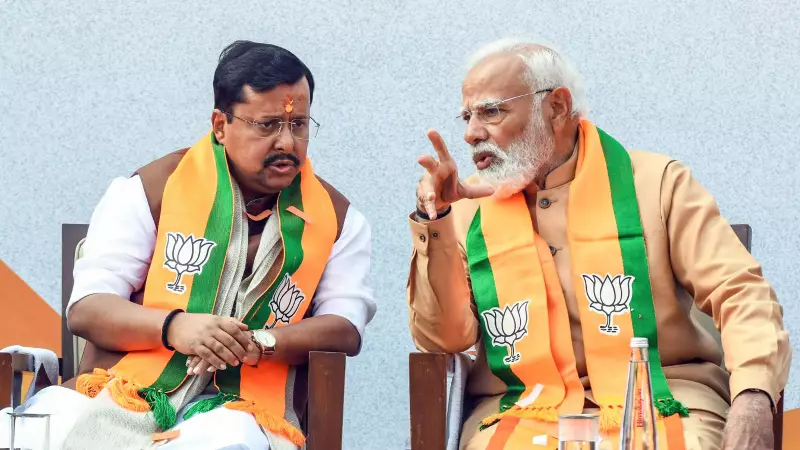
Nitin Nabin has become the new national president of the Bharatiya Janata Party. This marks a significant moment for India's largest political organization. At just 45 years old, Nabin represents a younger generation taking leadership roles within the party structure.
From Bihar Politics to National Leadership
Nabin brings extensive political experience to his new position. He served five terms as a legislator from Bihar. His career developed largely within the BJP's own organizational framework. Important roles in the Bharatiya Janata Yuva Morcha helped shape his political understanding.
The new president inherits a powerful party machine. This includes the BJP's extensive booth-level network across India. Various auxiliary organizations and ideological affiliates support this structure. Nabin demonstrated his ability to activate this machinery during recent Assembly elections.

Organizational Challenges Ahead
Several immediate tests await the new BJP president. Assembly elections in West Bengal, Tamil Nadu, and Kerala will serve as crucial indicators. These state contests will measure organizational effectiveness under Nabin's leadership. Success could consolidate his authority within the party structure.
Coalition management presents another significant challenge. The BJP increasingly governs with political allies across various states. State leaders must carefully balance coalition requirements with internal party cohesion. This demands careful negotiation skills and strategic foresight.
Internal Dynamics and Leadership Context
Nabin operates within a leadership ecosystem dominated by senior figures. These veterans rose through decades of political mobilization and organizational work. Previous presidents like Rajnath Singh and J P Nadda prioritized organizational discipline during their tenures.
Managing internal balance becomes crucial for the new president. He must accommodate diverse interests within the party structure. Grassroots workers value years of organizational labor and expect accessibility from leadership. Nabin's responsiveness to these expectations will influence his effectiveness.
Strategic Guidance and Institutional Relationships
The party president assumes office during a period requiring clear strategic guidance. National leadership helps align key decisions across the BJP organization. Over the past decade, senior leaders closely coordinated alliance-building efforts and campaign narratives.
Relationships with sister organizations add complexity to the role. The Rashtriya Swayamsevak Sangh provides ideological grounding and grassroots discipline. Maintaining coordination without visible friction remains essential for organizational stability. This becomes particularly important during periods of electoral stress.
Demographic Realities and Generational Transition
India's demographic profile shapes the context of Nabin's election. Approximately 65 percent of the population falls below age 35. Political parties face growing pressure to project generational renewal. Nabin's elevation represents a calibrated response to this reality.
The BJP introduces younger leadership without unsettling entrenched hierarchies. This approach seeks to balance continuity with necessary evolution. The party's performance in upcoming elections will ultimately determine Nabin's authority. Results will either consolidate his standing or narrow his strategic space.
Nitin Nabin's presidency offers a revealing window into political transition. India's most powerful political party manages generational change while preserving institutional depth. The coming months will demonstrate how effectively this balance can be maintained.